Professional Truck Parts Supplier

- All
- Product Name
- Product Keyword
- Product Model
- Product Summary
- Product Description
- Multi Field Search
Views: 0 Author: Site Editor Publish Time: 2026-09-24 Origin: Site


Fleet operators and heavy-duty vehicle distributors know that supply chain reliability dictates operational profitability. Procuring replacement components carries heavy mechanical and logistical risks. Substandard, counterfeit, or delayed shipments cause unplanned vehicle downtime, void factory warranties, and trigger catastrophic mechanical failures on the road.
Navigating the overseas procurement network requires a systematic, field-tested approach. Fleet managers cannot rely on superficial vendor claims when sourcing replacement components. This guide provides a rigorous, engineering-focused framework for evaluating suppliers, verifying component authenticity, and establishing a resilient supply chain for dongfeng truck parts. By standardizing vendor audits and understanding regional compliance requirements, procurement teams eliminate supply bottlenecks and maintain peak fleet availability.
Categorization Matters: Distinguishing between OEM, OES (Original Equipment Supplier), and aftermarket components is critical for balancing upfront costs with long-term reliability.
Rigorous Supplier Vetting: Authentic suppliers must be audited against strict criteria, including years of production experience, ISO/TS 16949 certifications, transparent Quality Control (QC) processes, and verifiable export histories.
Procurement decisions must factor in cross-border logistics, customs duties, defect rates, and financing terms, rather than relying solely on unit pricing.
Counterfeit Mitigation: Implementing strict verification protocols—such as QR code tracking, material test reports, and factory audits—is mandatory to protect fleet integrity from illegal counterfeits and low-grade replicas.
Table of Contents
Establishing a reliable procurement pipeline begins with defining strict performance metrics for both the supplier and the components. Fleet managers must move beyond basic unit cost comparisons and evaluate the broader operational impact of their sourcing decisions. You need a supply chain that actively prevents vehicle grounding.
Unplanned vehicle downtime drains fleet profitability faster than any other operational inefficiency. A grounded commercial truck generates zero revenue while continuing to incur fixed administrative and insurance expenses. Procurement teams must establish rigid baseline metrics for acceptable lead times, fast delivery capabilities, and consistent inventory availability from their suppliers.
Evaluating the financial impact of grounded vehicles against the cost of maintaining local buffer stock is a necessary calculation. Suppliers offering ready-to-ship inventory for high-wear items allow fleets to reduce their own warehousing footprint. Conversely, relying on made-to-order production cycles for standard replacements introduces unacceptable delays. A successful procurement strategy mandates that primary suppliers maintain sufficient stock depth to fulfill emergency orders within tight logistical windows. Track your vendor's order fill rate and on-time delivery percentage monthly to ensure they meet your operational standards.
Procurement decisions driven entirely by the lowest initial bid frequently result in elevated annualized maintenance expenses. Calculating the true cost of a replacement part requires a broader formula: Purchase Price plus Shipping, Installation Time, and Expected Lifespan. A heavily discounted air compressor that fails after six months costs the fleet significantly more in repeated labor hours and secondary downtime than a premium component designed to last three years.
Fleet engineers must assess the metallurgy, machining tolerances, and stress-testing data of the components they purchase. Prioritizing lifespan over initial acquisition cost ensures that vehicles remain in active service longer between scheduled maintenance intervals. This approach stabilizes maintenance budgets and reduces the frequency of emergency roadside repairs. Mechanics spend less time replacing the same inferior parts, freeing up shop bays for routine preventative maintenance.
Importing commercial vehicle components across international borders introduces strict regulatory hurdles. Parts must meet local Department of Transportation (DOT), E-Mark, or equivalent regional safety and emissions standards depending on the destination country. Installing non-compliant components results in severe legal penalties, failed safety inspections, and invalidated fleet insurance policies.
Navigating customs documentation is equally critical to prevent port holds. Suppliers must provide accurate commercial invoices, detailed packing lists, certificates of origin, and relevant material safety data sheets. Missing or inaccurate paperwork triggers immediate customs delays, accumulating demurrage fees and extending fleet downtime. Verifying a supplier's export compliance history is a mandatory step before issuing any purchase orders. Work directly with licensed customs brokers to classify parts under the correct Harmonized System (HS) codes to avoid unexpected tariff hikes.
Commercial heavy-duty vehicles consist of thousands of interacting systems. Sourcing strategies must adapt based on the specific mechanical category of the required components. Applying a uniform purchasing logic across all part types leads to inefficiencies and mechanical vulnerabilities.
Engine and transmission parts require strict quality control because they directly affect truck performance and safety. Components such as pistons, crankshafts, fuel injectors, gears, and shafts must match original specifications to avoid power loss, higher fuel consumption, or major failures. For critical powertrain parts, choosing reliable OEM or OES suppliers is essential.
Chassis and suspension components support vehicle loads and must withstand demanding working conditions. Parts such as axles, leaf springs, and frame components require strong materials, proper heat treatment, and effective corrosion protection. High-quality components help maintain stability, durability, and safe operation under heavy loads.
Cab and electrical components require accurate compatibility with different truck models. Exterior parts need precise fitting to prevent vibration and damage, while electrical systems require reliable connectors and stable performance. Checking wiring specifications, voltage requirements, and material quality helps prevent installation issues and electrical failures.
Maintenance parts such as filters, brake components, belts, and clutch parts require regular replacement and stable supply. Fleet operators should analyze usage data, plan bulk purchases, and check product storage requirements. Proper inventory management helps reduce maintenance delays and keeps trucks operating efficiently.
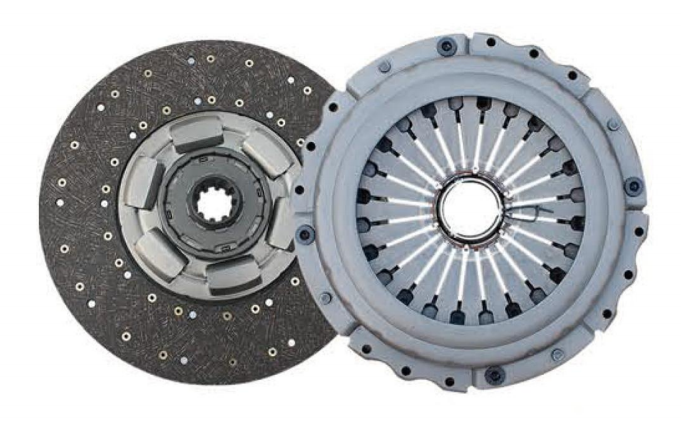
Selecting the appropriate manufacturing tier for replacement components requires balancing technical necessity with budget constraints. Fleet engineers must understand the distinct advantages and limitations of OEM, OES, and aftermarket categories to make informed purchasing decisions.
Component Category | Definition | Primary Advantage | Ideal Application |
|---|---|---|---|
OEM (Original Equipment Manufacturer) | Parts branded and distributed directly by the vehicle manufacturer. | Guaranteed fitment and strict warranty compliance. | Internal engine parts, ECUs, critical transmission gears. |
OES (Original Equipment Supplier) | Parts manufactured by the tier-1 factories that supply the assembly line. | OEM-level quality without the official brand markup. | Fuel injectors, braking valves, heavy-duty filters, air compressors. |
Aftermarket | Parts manufactured by third-party companies via reverse engineering. | High availability and aggressive cost reduction. | Cab plastics, mirrors, standard brackets, non-critical trim, mud flaps. |
OEM parts are made according to the original vehicle manufacturer’s specifications, providing accurate fitment and reliable performance. They are ideal for critical components such as engine parts, transmissions, and electronic systems where failures can cause major damage. However, OEM parts usually have higher prices and longer delivery times.
OES parts are produced by suppliers that often provide components for original vehicle assembly. They offer similar quality and performance to OEM parts while reducing costs by avoiding additional brand markups. For many fleet maintenance needs, OES parts provide a good balance between reliability and budget control.
Aftermarket parts vary greatly in quality. High-quality aftermarket components can provide cost savings for non-critical applications, but buyers should carefully check supplier reputation, material standards, testing reports, and product accuracy. Reliable manufacturers should provide clear quality data to prove their parts meet required specifications.

Identifying a reliable source requires looking past polished websites and marketing brochures. Rigorous auditing separates specialized manufacturers from unreliable general trading companies. You must verify their operational reality.
Before working with a truck parts supplier, verify their factory documents, certifications, and production capability. Checking business licenses, quality certifications, and factory information helps distinguish real manufacturers from unreliable traders. On-site audits and third-party inspections can further confirm production capacity and quality control systems.
A supplier’s quality control process directly affects part reliability. Buyers should review material reports, testing records, and inspection procedures to confirm product performance. Reliable suppliers usually have clear quality standards, defect tracking systems, and final inspections before shipment.
A supplier must provide both quality products and stable delivery. Checking inventory levels, production capacity, packaging methods, and export experience helps reduce supply delays. Proper anti-rust protection, secure packaging, and correct container loading are essential to prevent damage during international transportation.
International procurement involves complex financial layers. Evaluating the total value of a transaction requires understanding logistics costs, financing structures, and the long-term risks associated with heavily discounted components.
Importing truck parts involves more than the product price. Buyers need to consider shipping terms, freight costs, insurance, customs fees, and port charges. Understanding options like EXW, FOB, CIF, and DDP helps companies control risks and calculate the true final cost before placing orders.
Clear payment terms help manage cash flow and reduce purchasing risks. Common methods include T/T payments, Letters of Credit, and other flexible arrangements for larger orders. Choosing suitable payment terms allows fleets to maintain financial stability while building reliable supplier relationships.
Low-priced truck parts may create higher costs if they fail prematurely. Poor-quality components can lead to repeated repairs, vehicle downtime, and expensive secondary damage. Choosing reliable parts with proven quality helps reduce long-term maintenance costs and keeps trucks operating efficiently.
Even with verified suppliers, international supply chains carry inherent risks. Implementing defensive strategies protects the fleet from counterfeit infiltration and logistical disruptions.
Counterfeit truck parts can create serious safety and reliability risks. Buyers should check product markings, material quality, packaging, and supplier information before installation. Verifying QR codes, serial numbers, security labels, and physical specifications helps identify fake parts and protects fleet operations.
Relying on one supplier can increase the risk of delivery delays caused by production issues, transportation problems, or unexpected market changes. Building relationships with multiple suppliers and keeping запас stock of frequently used parts helps fleets maintain stable operations and reduce downtime.
Clear warranty agreements help avoid problems when dealing with defective parts from overseas suppliers. Buyers should define warranty periods, return procedures, and required evidence before placing orders. Providing photos, videos, and inspection reports can speed up claim processing and improve replacement efficiency.aph the failed part directly next to its engraved serial number to expedite the claim approval.
Successfully sourcing reliable commercial vehicle components requires moving beyond simple price comparisons. Fleet managers must adopt a rigorous, engineering-focused approach to supplier evaluation, prioritizing long-term mechanical reliability over short-term acquisition savings.
Audit your current inventory to identify the highest-turnover components and calculate your exact annual consumption rates.
Draft detailed Requests for Quotation (RFQs) specifying exact OEM part numbers, material requirements, and required export packaging standards.
Request sample orders for critical powertrain and suspension components to evaluate machining and metallurgy firsthand.
Schedule virtual or physical factory audits utilizing independent third-party inspectors to verify production capacity and quality control logs.
Establish dual-sourcing pipelines by onboarding a verified secondary supplier to protect your fleet against unexpected logistical disruptions.
A: Genuine OEM parts feature specific holographic seals, high-resolution QR codes, and precise logo stampings. You can verify authenticity by scanning the QR code via the official manufacturer portal or cross-referencing the engraved serial numbers with authorized dealership databases. Always request a certificate of origin from your supplier.
A: For ready-to-ship inventory, origin port dispatch typically takes 7 to 10 days. Made-to-order production runs generally require 25 to 40 days. Ocean freight transit times add another 20 to 45 days depending on the destination port, making standard end-to-end lead times roughly 60 to 90 days.
A: Yes, reputable aftermarket manufacturers offer warranties, typically ranging from 6 to 12 months from the date of the Bill of Lading. Warranty terms must be explicitly defined in a Service Level Agreement (SLA) before purchasing, detailing how credit notes or replacements are handled for international shipments.
A: High-wear components include fuel water separators, air filters, clutch plates, brake linings, and leaf spring bushings. Electrical sensors, specifically NOx sensors and ABS wheel speed sensors, also see frequent replacement due to heavy operational vibration and environmental exposure.
A: While some large trading companies offer both, it is safer to source engine components from specialized powertrain suppliers. Engine internals require strict adherence to factory tolerances. Specialized suppliers are better equipped to provide accurate material test reports and guarantee precise specification matching.
A: The most common structure is a Telegraphic Transfer (T/T) deposit with the balance paid against the Bill of Lading copy. For large, recurring enterprise orders, suppliers may accept Letters of Credit (L/C) or offer Net 30/60 terms backed by export credit insurance.
A: Partner with a licensed customs broker in your destination country before the shipment departs. Ensure your supplier provides accurate commercial invoices, detailed packing lists, and proper HS codes. Verify that all parts meet local DOT or E-Mark compliance standards to prevent port seizures.


