Professional Truck Parts Supplier

- All
- Product Name
- Product Keyword
- Product Model
- Product Summary
- Product Description
- Multi Field Search
Views: 0 Author: Site Editor Publish Time: 2026-07-15 Origin: Site


Commercial fleet profitability relies directly on minimizing unplanned downtime caused by component failure in heavy-duty platforms like the FAW J6. When a vehicle stops operating due to a mechanical fault, the disruption extends beyond immediate repair requirements. It impacts delivery schedules, strains logistical networks, and forces fleet managers to scramble for immediate solutions. Sourcing reliable, precision-engineered replacement components presents a significant challenge. The market is saturated with varying quality tiers, counterfeit risks, and opaque supplier specifications. Fleet operators often struggle to differentiate between high-quality replacements and substandard alternatives that threaten vehicle integrity. This guide provides a comprehensive framework for evaluating high-wear FAW J6 components. It establishes procurement success criteria and helps mitigate operational risks when sourcing heavy-duty replacements. By understanding the technical specifications and failure modes of critical systems, you can make informed decisions that ensure long-term vehicle reliability and operational stability.
Prioritize High-Wear Systems: Engine common rail systems, gearbox synchronizers, and drivetrain components represent the highest risk for catastrophic failure and require strict adherence to OEM or premium aftermarket specifications.
Long-Term Value Over Initial Price: Evaluating replacement components based on material durability and thermal tolerance yields lower long-term costs than optimizing for the lowest immediate purchase price.
Verification is Mandatory: Counterfeit components in steering and braking systems pose severe safety and compliance risks; rigorous supplier vetting and part-number verification are non-negotiable.
Systemic Replacement Strategy: Replacing adjacent components (e.g., replacing clutches alongside synchronizers) reduces redundant labor costs and prevents cascading mechanical failures.
Table of Contents
The FAW J6 operates primarily in demanding environments. Its main use cases include medium-to-long-distance transportation and heavy engineering applications. These harsh operational contexts accelerate wear on specific subsystems. Continuous heavy loads stress the drivetrain, while long-distance hauling tests the thermal endurance of the engine and cooling systems. Understanding these environmental stressors is the first step in identifying which components require the most rigorous evaluation. When a truck hauls maximum payload across varying topographies, the sheer mechanical stress on the chassis and powertrain multiplies. You must account for these real-world conditions when selecting replacement parts, rather than relying solely on static laboratory specifications.
Fleet managers often handle mixed assets, complicating the procurement process. Cross-platform compatibility introduces significant interchangeability risks between the J6 classic platform and other FAW models. Vehicles like the J5P, JH5, JH6, JK6, J7, and FAW Tiger share some design philosophies but often utilize distinct internal components. Assuming parts are universally interchangeable without verifying exact specifications leads to improper fitment, accelerated wear, and potential catastrophic failure. For instance, a water pump designed for a J5P might bolt onto a J6 block, but the impeller flow rate could be insufficient for the J6's cooling demands under heavy load.
Establishing baseline criteria for evaluating replacement components is essential. Quality standards must encompass dimensional accuracy, metallurgical composition, and compliance with international heavy-duty manufacturing standards. A component must fit perfectly and possess the structural integrity to withstand extreme operational forces. Evaluating these metrics ensures that the selected parts meet the rigorous demands of the FAW J6 platform. You need to look beyond the surface finish and demand material data sheets from your suppliers to verify the exact steel grades and hardening processes used in manufacturing.
Procurement teams constantly navigate the trade-offs between Genuine FAW parts and Tier-1 Aftermarket alternatives. Genuine parts guarantee compatibility but require a higher upfront investment. Tier-1 Aftermarket parts offer cost efficiency but exhibit variable longevity depending on the manufacturer. Balancing these factors requires a strategic approach, prioritizing genuine components for critical systems while considering high-quality aftermarket options for non-critical applications. Sourcing reliable Truck Parts demands a clear understanding of where you can compromise and where you absolutely cannot.
Sourcing Category | Primary Advantage | Primary Risk | Best Application |
|---|---|---|---|
Genuine OEM | Guaranteed exact fit and performance | Higher initial investment | Engine internals, ECUs, critical safety systems |
Tier-1 Aftermarket | Excellent cost-to-performance ratio | Variable quality control across brands | Body panels, structural mounts, basic filtration |
Generic Aftermarket | Lowest immediate purchase price | High failure rate, poor metallurgy | Not recommended for heavy-duty commercial use |
Fuel injector failure manifests through distinct symptoms. Operators may notice poor fuel economy, rough idling, and consistent emissions failures. These issues indicate that the common rail system is no longer delivering fuel with the necessary precision. Evaluating replacements requires scrutinizing the precision of nozzle machining, pressure tolerance, and compatibility with varying diesel qualities. Mismatched injectors lead to incomplete combustion. This implementation risk directly causes subsequent diesel particulate filter (DPF) clogging and reduced engine efficiency. When replacing injectors on the J6, you must ensure the new units are properly coded to the engine control module to guarantee optimal injection timing and duration.
Loss of compression and excessive blow-by gases signal severe wear in the cylinder assembly. When evaluating pistons, rings, and liners, specific dimensions demand attention. Thermal expansion rates must align with original specifications to prevent seizing. Alloy composition, specifically forged versus cast materials, dictates structural durability under high combustion pressures. Friction-reduction coatings also play a vital role in extending the lifespan of these internal engine components. A common mistake in the field is replacing piston rings without properly honing the cylinder liners, which prevents the new rings from seating correctly and leads to immediate oil consumption issues.
Overheating under heavy load points to cooling system degradation. Premature engine wear often results from particulate ingress due to failing filtration. When sourcing replacements, evaluate radiator core density to ensure adequate thermal dissipation. Water pump impeller durability is critical for maintaining consistent coolant flow. Furthermore, micron-rating accuracy for oil and fuel filters must be verified to protect sensitive engine internals from microscopic contaminants. Using a filter with a 10-micron rating when the system requires a 5-micron rating will allow abrasive particles to bypass the filter media, rapidly accelerating wear on main bearings and camshaft journals.
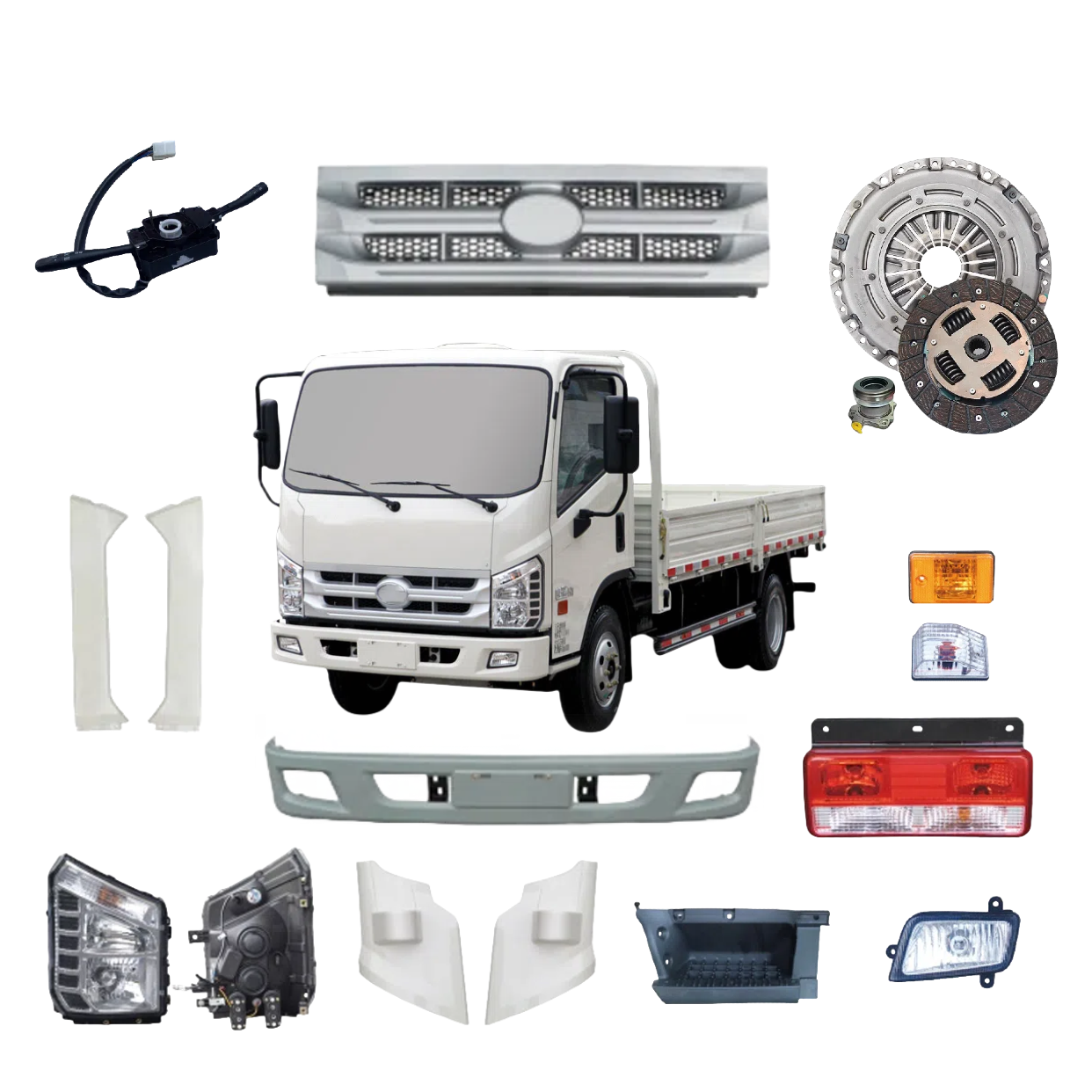
Gear slipping, harsh shifting, and loss of torque transfer indicate failing clutches and synchronizers. Evaluating these components involves analyzing friction material composition. Organic materials offer smooth engagement, while ceramic options provide higher heat resistance for heavy hauling. Spring tension consistency and synchronizer ring metallurgy are also critical evaluation dimensions. Replacing a clutch plate without resurfacing or replacing the flywheel presents a major implementation risk, often leading to premature failure of the new component. Always inspect the pilot bearing and release fork during a clutch job, as these inexpensive parts require dropping the entire transmission to access later.
Heavy hauling applications frequently cause tooth pitting, chipping, and spline wear. These high-stress gear sets and shafts require rigorous metallurgical evaluation. Case hardening depth determines the surface wear resistance of the gear teeth. Gear tooth profile accuracy ensures smooth power transmission and minimizes vibration. Verifying the alloy steel grade, such as 20CrMnTi, confirms that the component possesses the necessary tensile strength for commercial applications. When inspecting a failed gearbox, look closely at the wear patterns on the gear teeth; uneven wear often indicates a bent main shaft or failing support bearings rather than just a defective gear.
Erratic shifting in automated manuals or false diagnostic trouble codes (DTCs) often stem from sensor or ECU failures. Evaluating these electronic components requires checking sensor housing sealing. High IP ratings against moisture and dust are mandatory for heavy-duty environments. Signal latency and voltage stability must also meet strict tolerances. Ensuring exact part-number matching is the primary mitigation strategy to prevent ECU calibration conflicts and maintain proper transmission function. A simple wiring harness chafe can mimic a catastrophic ECU failure, so always perform a thorough continuity check before ordering expensive electronic replacements.
Vibrations, differential whining, and load-bearing failures frequently plague engineering applications. Maintaining axle and drivetrain integrity requires sourcing robust replacement parts. Evaluate the tensile strength of drive shafts to ensure they can handle maximum torque loads. U-joint lubrication sealing is critical for preventing premature bearing failure. Additionally, verify the differential gear hardening processes to guarantee longevity under continuous heavy stress. When replacing U-joints, ensure the yokes are perfectly aligned to prevent driveline vibrations that can destroy transmission tail shaft seals and differential pinion bearings.
A loose steering feel, fluid leaks, and heavy manual effort indicate steering gear assembly degradation. Evaluating steering components involves checking hydraulic pressure tolerances against original specifications. Internal seal materials, such as Viton or PTFE, must offer high resistance to heat and hydraulic fluid degradation. Sector shaft spline dimensions require exact verification to ensure a secure connection and precise steering control. Before condemning a steering box, always check the power steering pump output pressure and inspect the steering linkage for worn tie rod ends or drag links, as these often present similar symptoms.
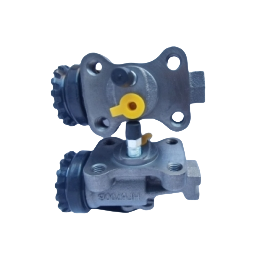
Increased stopping distances, uneven brake wear, and pneumatic system pressure drops compromise vehicle safety. Evaluating brake systems and actuators is a critical compliance focus. Brake shoe and pad friction coefficients must match the vehicle's weight rating. Drum thermal dissipation capabilities prevent brake fade during long descents. Chamber diaphragm elasticity ensures consistent pneumatic actuation. Adherence to regional safety and heavy-vehicle compliance standards is absolutely mandatory when selecting these components. Always replace brake hardware springs and adjusters when installing new shoes, as fatigued springs will cause the brakes to drag and overheat.
Inspect brake drum maximum diameter specifications before turning or reusing.
Verify slack adjuster automatic function during routine maintenance.
Check all pneumatic lines for chafing or dry rot near suspension pivot points.
Measure S-cam bushing wear to ensure even brake shoe application.
Operator fatigue often results from cabin sag, wind noise, and structural sheet metal corrosion. Maintaining the FAW-J6-CABIN requires evaluating specific structural accessories. Cabin shock absorber dampening rates must provide adequate isolation from road vibrations. Anti-rust pre-treatment, specifically electrophoretic coating, is necessary for long-term corrosion resistance. The structural integrity of safety-critical door hinges and latching mechanisms ensures operator safety and proper cabin sealing. Worn cab mounts not only cause discomfort but can also lead to stress fractures in the radiator core and charge air cooler piping due to excessive cab movement relative to the chassis.
Establishing a robust supplier vetting framework is essential for securing reliable components. Shortlisting vendors requires verifying ISO certifications to ensure consistent manufacturing quality. Verifiable supply chains provide confidence in material origins and production processes. Transparency in manufacturing origins helps fleet managers avoid substandard components produced in unregulated facilities. You should request factory audit reports and material test certificates for any high-volume orders of critical drivetrain or braking components.
Fleet managers must utilize a strict pre-sourcing checklist. First, differentiate between physical symptom diagnosis and suspected part failure to avoid unnecessary replacements. Second, cross-reference OEM part numbers with actual assembly drawings to confirm exact fitment. Third, check physical and dimensional tolerances of parts prior to authorizing heavy volume orders. This systematic approach minimizes procurement errors. Relying solely on a supplier's cross-reference catalog without verifying the actual dimensions often leads to receiving parts that look identical but fail to fit the specific vehicle sub-model.
Identifying counterfeit components requires specialized inspection techniques. Visual inspection can reveal substandard machining marks or inconsistent surface finishes. Verifying serial numbers directly with the manufacturer provides definitive proof of authenticity. Analyzing packaging quality, including holographic seals and proper labeling, also helps identify fraudulent parts that threaten fleet safety. Counterfeiters often struggle to replicate the exact weight and metallurgical density of genuine parts, making a simple weight comparison a highly effective field test for suspect components.
Assessing warranty terms, lead times, and scalability finalizes the supplier evaluation process. A supplier must demonstrate the ability to handle bulk fleet orders efficiently. Clear return policies on defective units protect the fleet's operational budget. Logistical reliability is paramount for minimizing vehicle downtime and ensuring that critical components arrive exactly when needed. A supplier offering a lower price but a six-week lead time will ultimately cost the fleet more in lost revenue than a slightly more expensive supplier with next-day delivery capabilities.
Audit your current fleet failure rates to identify recurring component issues and adjust your preventative maintenance schedules accordingly.
Cross-reference all required part numbers with official assembly diagrams before initiating any orders to eliminate fitment errors.
Request detailed technical specifications and metallurgical data from prospective suppliers to verify component quality prior to installation.
Establish a quarantine protocol for any received parts that show signs of shipping damage or suspect packaging to prevent them from entering your active inventory.
A: High-wear items frequently require replacement. These include fuel injectors, clutch assemblies, various filters, and brake components like shoes and drums. Engine cooling parts and gearbox synchronizers also experience significant wear under heavy loads.
A: Verify authenticity by checking OEM serial numbers directly with the manufacturer. Inspect packaging for official holograms and precise labeling. Always source components through authorized or highly vetted distributors with transparent supply chains.
A: Yes, if they are Tier-1 precision aftermarket parts. These meet or exceed original specifications. Avoid low-quality generic alternatives, especially for safety-critical systems like brakes and steering, as they pose severe operational risks.
A: Lifespan varies based on operating conditions. In standard long-haul applications with proper maintenance, synchronizers can last between 300,000 to 500,000 kilometers. Heavy engineering or stop-and-go environments significantly reduce this expected mileage.
A: Cross-compatibility exists for some minor accessories, but major internal components are rarely interchangeable. Never assume fitment across platforms. Always verify exact OEM part numbers and assembly drawings before attempting to install parts from different models.
A: Fleet managers should prioritize suppliers offering clear warranty terms and robust technical support. Look for ISO manufacturing certifications, verifiable supply chain transparency, and a proven track record of logistical reliability for bulk orders.


