Professional Truck Parts Supplier

- All
- Product Name
- Product Keyword
- Product Model
- Product Summary
- Product Description
- Multi Field Search
Views: 0 Author: Site Editor Publish Time: 2026-07-15 Origin: Site


Commercial fleet profitability hinges on uptime. Every hour a Foton commercial vehicle spends in the bay waiting for replacement components directly erodes margins. Sourcing compatible, durable Truck Parts for Foton models, from the Aumark to the Tunland, is complicated by a saturated market of counterfeit components, confusing part number supersessions, and variable supplier reliability. Fleet managers face constant pressure to keep trucks moving while managing maintenance budgets. This guide provides a technical procurement framework for identifying, evaluating, and sourcing high-wear Foton replacement parts. We outline actionable strategies to ensure fleet managers balance upfront investments with long-term operational reliability. You will learn how to verify components, avoid counterfeits, and maintain rigorous service schedules. Implementing these procurement standards directly reduces unexpected breakdowns and keeps your commercial vehicles on the road where they belong.
VIN-Driven Accuracy: Utilizing the Vehicle Identification Number (VIN) is the only fail-safe method to navigate Foton’s 200,000+ component inventory and prevent costly misorders.
OEM vs. Aftermarket Trade-offs: Genuine factory parts guarantee warranty compliance and structural integrity, whereas aftermarket options introduce variable risks.
All-Series Vehicle Coverage: Fleet procurement strategies must address the distinct part profiles across Foton’s complete range, including commercial trucks, pickup platforms (like the Tunland V9), and heavy machinery.
High-Wear Prioritization: Proactive stocking of critical drivetrain, filtration, and specific cabin parts minimizes unexpected downtime.
Supplier Verification: Partnering exclusively with authorized distributors mitigates the risk of counterfeit parts, unlocks factory-direct pricing, and ensures access to factory-backed warranties.
Table of Contents
Successful part procurement minimizes vehicle downtime, maximizes component lifespan, and maintains safety compliance. Fleet operators need reliable supply chains. When a truck breaks down, mechanics require immediate access to correct components. Delays cause missed deliveries and frustrated clients. You must build a procurement strategy focused on accuracy and speed. Identifying the exact component required prevents return shipping delays and secondary mechanical failures. A truck sitting on a lift waiting for a simple sensor or bracket costs the company revenue every single day. Procurement teams must bridge the gap between the maintenance bay and the parts supplier seamlessly.
Mechanics often waste hours trying to modify incorrect parts to fit a specific chassis. This practice compromises the structural integrity of the vehicle and leads to premature failures. Accurate procurement means the mechanic opens the box, verifies the part, and installs it without modifications. This efficiency requires a deep understanding of Foton's specific engineering tolerances and part supersession history. You need a system that tracks which components fail most frequently across your specific fleet operating conditions.
Structured preventative service programs maximize fleet lifecycle performance. You should implement scheduled unit checkups and routine change oil intervals. Comprehensive wear-part overhauls prevent catastrophic breakdowns. Replacing belts, hoses, and filters before they fail keeps trucks on the road. Mechanics must follow strict replacement intervals based on mileage and operating conditions. Proactive maintenance always costs less than emergency repairs. Waiting for a component to fail while the truck is loaded and on route guarantees maximum disruption and expense.
A standard preventative maintenance schedule divides tasks into A, B, and C services. An 'A' service covers basic lubrication, oil changes, and visual inspections. A 'B' service includes deeper filter replacements, brake adjustments, and fluid top-offs. A 'C' service involves comprehensive component replacements, such as changing out worn suspension bushings, replacing air dryer cartridges, and servicing the transmission. Adhering to these intervals requires a steady, predictable supply of consumable parts. If your procurement team cannot source the necessary filters and fluids ahead of a scheduled 'C' service, the entire maintenance calendar falls apart.
Installing fake Foton parts introduces severe operational and safety hazards. Counterfeit components suffer from premature failure rates. They use inferior materials and bypass quality control testing. A failed counterfeit brake valve or steering linkage creates massive liability in commercial fleet operations. Fake filters allow particulates to destroy engines. You must train procurement staff to identify suspicious packaging and verify supplier credentials rigorously. Counterfeiters often replicate Foton packaging with alarming accuracy, making visual identification difficult for untrained staff.
Beyond visual discrepancies in packaging, counterfeit parts often fail under load. A fake tie rod end might look identical to the genuine article on the shelf, but the metallurgy is entirely different. When subjected to the stress of a fully loaded Foton Auman navigating rough terrain, the fake component snaps. This leads to loss of steering control and potential catastrophic accidents. Fleet managers must understand that saving a few dollars on unverified suspension or braking components exposes the entire operation to severe legal and financial repercussions.
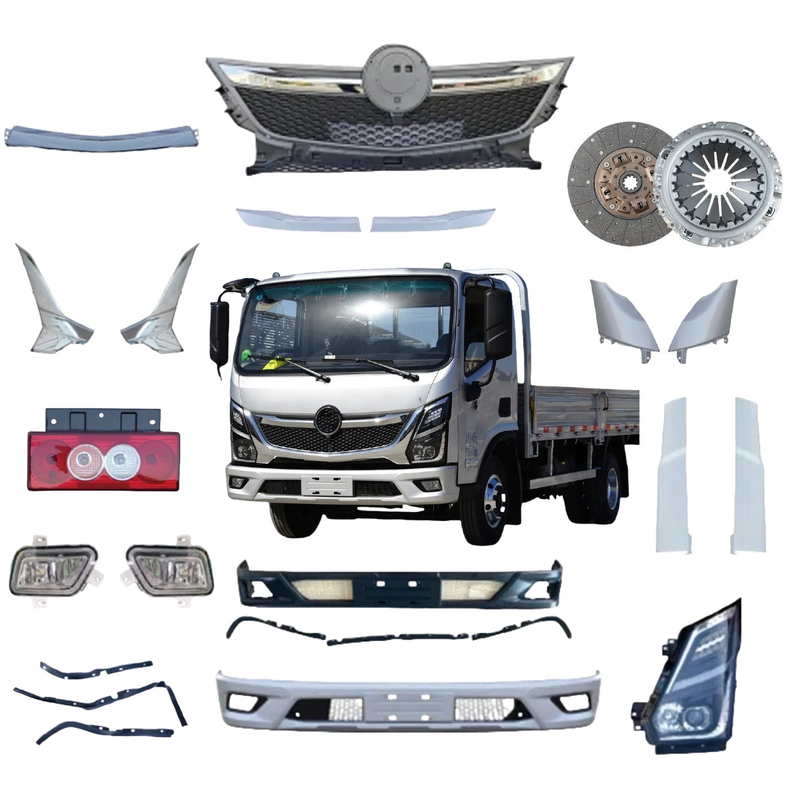
Critical service parts require strict replacement intervals. Oil filters, fuel water separators, timing belts, and fuel injectors wear out predictably. Exact-spec filtration components prevent particulate damage to Foton diesel engines. High-pressure fuel systems demand clean fuel to function correctly. Light-duty, heavy-duty, and specific utility platforms have unique compatibility requirements. The newer Tunland V9 pickup drivetrain requires specific synthetic fluids and specialized filters. Many Foton commercial trucks utilize Cummins ISF 2.8 or 3.8 engines, which demand precise maintenance to maintain fuel efficiency and emission standards.
Fuel injectors on modern common-rail diesel engines operate under extreme pressure. Contaminated fuel destroys these injectors rapidly. Replacing a set of injectors is a major expense, making the regular replacement of fuel water separators non-negotiable. Similarly, turbochargers require a constant supply of clean, high-quality engine oil. Neglecting oil filter changes leads to bearing failure within the turbocharger, resulting in massive power loss and expensive repairs. Mechanics must also monitor the condition of the charge air cooler hoses, as leaks here cause the engine to run rich, clogging the diesel particulate filter (DPF).
Component Category | Common High-Wear Items | Primary Function | Replacement Indicator |
|---|---|---|---|
Filtration | Oil, Fuel, Air Filters | Prevent particulate contamination | Scheduled mileage intervals |
Drivetrain | Clutch Kits, U-Joints | Transfer power to wheels | Slipping, vibration under load |
Braking | Pads, Drums, Air Valves | Ensure safe stopping distances | Thickness limits, air leaks |
Electrical | Alternators, NOx Sensors | Power systems, emissions control | Voltage drops, fault codes |
Suspension | Leaf Springs, Shock Absorbers | Maintain ride height and stability | Sagging, excessive bouncing |
Genuine door frames feature precise metallurgical specifications. They provide enhanced protection against side-impact collisions. Ergonomic, high-grip steering wheels ensure precise control. They minimize operator fatigue on long-haul routes and maintain reliable steering feedback. Other commonly replaced cabin elements include durable side mirrors, high-visibility wiper mechanisms, and cabin suspension mounts. Worn cabin mounts cause excessive vibration, leading to driver fatigue and secondary component wear. A vibrating cabin also damages delicate electronic modules mounted under the dashboard.
Window regulators and HVAC blower motors also see high failure rates in heavy-use commercial vehicles. Drivers constantly adjust windows and run the climate control systems to stay comfortable during long shifts. When a window regulator fails, the truck cannot be secured, forcing it out of service. Replacing these cabin components quickly improves driver morale and keeps the vehicle operational. Always source exact-fit cabin parts to ensure weather seals align correctly, preventing water intrusion that can corrode internal cab wiring.
Heavy-wear items include brake pads, rotors, air brake valves, and leaf springs. You must evaluate brake components around load capacity compliance. Heat dissipation and stopping distance metrics under maximum payload are critical. Inferior brake pads glaze over under heavy loads, reducing stopping power. Overloaded leaf springs sag and eventually snap. Regular inspection of suspension bushings and U-bolts prevents axle misalignment. Mechanics must torque U-bolts to exact factory specifications to prevent the axle from shifting under heavy braking.
Air brake systems require constant vigilance. The air compressor, governor, and air dryer work together to supply clean, dry air to the brake chambers. If the air dryer cartridge is not replaced on schedule, moisture builds up in the air tanks. In cold weather, this moisture freezes, locking the brakes and disabling the truck. Slack adjusters must be greased and checked for proper stroke length during every preventative maintenance inspection. Worn S-cams and bushings cause uneven brake shoe wear, requiring premature replacement of the entire wheel end assembly.
Alternators, starter motors, and Electronic Control Modules (ECMs) fail over time due to heat and vibration. Modern Foton trucks present complex diagnostic challenges. OEM sensors are critical for clearing fault codes accurately. Cheap aftermarket sensors often trigger false-positive limp mode events. Mechanics waste hours chasing electrical gremlins caused by out-of-spec voltage readings. Always use factory-approved sensors for engine management systems. The emissions control systems rely heavily on accurate data from NOx sensors and exhaust gas temperature probes.
Wiring harnesses in commercial trucks endure extreme conditions. Exposure to road salt, diesel fuel, and engine heat degrades the insulation over time. When replacing electrical components, mechanics must inspect the surrounding wiring for chafing or corrosion. A new alternator will not solve a charging issue if the main power cable has high resistance due to internal corrosion. Proper diagnostic procedures using Foton-specific software prevent the unnecessary replacement of expensive electronic modules.
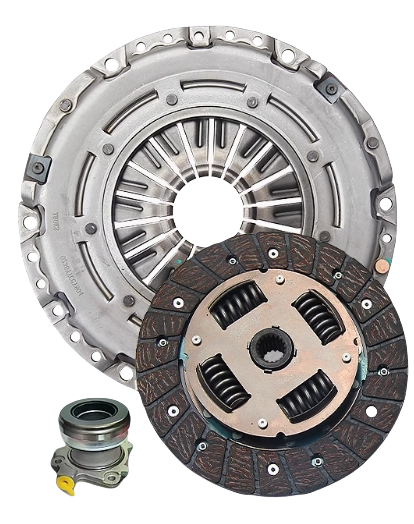
Genuine parts guarantee dimensional fitment and preserve warranties. They undergo rigorous factory testing to meet exact engineering standards. Sourcing through factory-authorized suppliers delivers genuine components efficiently. You avoid the guesswork associated with third-party manufacturers. OEM parts integrate flawlessly with existing vehicle systems. This integration is crucial for complex drivetrain and emission control components. When you install a genuine Foton part, you know it matches the exact specifications of the component that rolled off the assembly line.
The engineering behind OEM parts accounts for the specific stresses the vehicle will encounter. For example, a genuine Foton water pump features an impeller designed to flow the exact volume of coolant required by the engine under maximum load. An aftermarket pump might fit the mounting block but fail to flow enough coolant, leading to overheating on steep grades. Investing in OEM components ensures the vehicle operates within its designed thermal and mechanical limits.
The aftermarket includes Original Equipment Supplier (OES), high-tier aftermarket, and white-label parts. You must evaluate the risks before choosing non-OEM options. Acceptable aftermarket use includes non-critical cosmetic items or basic lighting assemblies. OEM is strictly required for internal engine components and load-bearing steering elements. Never compromise on safety-critical systems like brakes or suspension components to save upfront costs. Fleet managers must draw a hard line on which systems are eligible for aftermarket substitution.
OES parts are manufactured by the same company that supplies the factory, just sold under a different brand name. These are generally safe and offer cost savings. However, white-label aftermarket parts sourced from unknown manufacturers present a massive risk. These parts lack traceability and quality control. If a white-label wheel bearing fails at highway speeds, the resulting damage far exceeds any initial savings. Establish a clear procurement policy that dictates exactly when and where aftermarket parts are permitted.
Using unauthorized components can void Foton manufacturer warranties. If an aftermarket part causes a larger system failure, the manufacturer will deny the claim. This complicates insurance claims in the event of an accident. Insurance adjusters investigate component origins during major incident reviews. Installing unapproved steering or braking parts exposes your fleet to severe legal liability. You must maintain detailed records of all parts installed on every vehicle to prove compliance with safety regulations.
In the event of a catastrophic failure leading to an accident, investigators will pull maintenance records and inspect the wreckage. If they find a counterfeit or substandard aftermarket brake valve caused the crash, the fleet operator faces negligence charges. Preserving the factory warranty is not just about saving money on repairs; it is about maintaining a documented chain of custody for safety-critical components. Always prioritize OEM parts for any system that affects the steering, stopping, or structural integrity of the truck.
The 17-digit Foton VIN is the primary key for unlocking exact build sheets. It reveals the factory configuration, engine type, and transmission model. Using the VIN prevents ordering parts for the wrong model year or sub-variant. Always provide the VIN when requesting quotes. It eliminates guesswork and ensures the supplier sends the exact component engineered for that specific chassis. The VIN contains the World Manufacturer Identifier (WMI), the Vehicle Descriptor Section (VDS), and the Vehicle Identifier Section (VIS).
Fleet managers should train their staff to locate the VIN on the chassis frame rail, not just the dashboard tag. The frame rail stamp is the most reliable identifier, especially on older trucks that may have had cab swaps. Entering this VIN into the Foton Electronic Parts Catalog (EPC) filters out thousands of irrelevant parts, displaying only the components installed on that specific truck at the factory. This targeted search capability is the foundation of accurate procurement.
Manufacturers frequently update part numbers. You must cross-reference old part numbers with updated manufacturer supersessions. A superseded part usually features design improvements or material upgrades. Check the original part number stamped on the broken component. Ask your supplier to verify if a newer version exists. This practice ensures you install the most reliable version of the component. Ignoring supersession data leads to ordering obsolete parts that may have known design flaws.
When a part number is superseded, the EPC will usually indicate whether the new part is backward compatible. Sometimes, a superseded water pump requires a different gasket or a modified mounting bracket. Your parts interpreter must communicate these required associated parts to the mechanic. Failing to order the updated gasket along with the new water pump stalls the repair and keeps the truck in the bay for another day.
Direct coordination with parts interpreters reduces errors. Use dedicated manufacturer hotlines and supplier inquiry emails. Submit VINs and clear photos of worn components. Visual confirmation helps suppliers identify obscure brackets or specialized fittings. Clear communication ensures zero-error ordering. Build a relationship with a dedicated parts specialist who understands your specific fleet composition. A good parts specialist anticipates your needs and suggests replacing associated wear items during a major repair.
Locate and document the 17-digit VIN from the vehicle chassis.
Identify the failed component and locate any stamped engineering numbers on the part body.
Take clear, well-lit photographs of the part from multiple angles, highlighting any specific connectors or mounting points.
Submit the VIN, part numbers, and photos to your authorized supplier via their dedicated inquiry channel.
Review the returned quote to ensure all associated gaskets, seals, and hardware are included in the order.
Foton’s massive parts catalog covers over 200,000 types of after-sales parts. Searching for obscure components requires patience and exact data. Use factory diagrams to pinpoint exact locations and part relationships. Sometimes, a single assembly contains dozens of individual sub-components. Knowing whether to order the entire assembly or just a specific seal saves time and resources. The EPC provides exploded views of every system on the truck.
Mechanics should review these exploded diagrams before tearing down a complex assembly. If the diagram shows that a specific bearing is press-fit into a housing and cannot be serviced separately, the procurement team must order the entire housing assembly. Attempting to rebuild non-serviceable assemblies wastes labor hours and usually results in a secondary failure. Trust the factory diagrams and order the components exactly as the manufacturer intended them to be serviced.
Official Foton channels offer unmatched reliability and technical support. They have direct access to factory engineering data. Independent heavy-duty distributors might offer broader mixed-fleet coverage but lack specialized Foton expertise. Compare their technical support access carefully. Authorized dealers provide warranty backing and guaranteed fitment. Independent distributors require stricter vetting to ensure they do not mix counterfeit parts into their inventory. You must audit independent suppliers regularly to verify their sourcing channels.
Authorized dealerships also receive priority access to technical service bulletins (TSBs) and software updates. If a specific sensor requires an ECM flash after installation, the authorized dealer can provide the necessary software files. Independent distributors simply sell the hard parts and leave the diagnostic programming to the fleet mechanic. For complex electronic repairs, partnering with an authorized Foton channel is the only way to ensure a complete and successful repair.
Supply chain bottlenecks cripple fleet operations. Evaluate suppliers based on their domestic warehousing footprint. They need access to global logistics hubs. Assess their ability to fulfill emergency "Vehicle Off Road" (VOR) orders. A supplier with a massive catalog is useless if they drop-ship everything from overseas with a six-week lead time. Local stock is mandatory for high-wear items. You need a supplier who maintains deep inventory levels of common filters, belts, and brake components.
When evaluating a new supplier, ask for their fill rate percentage on common Foton maintenance parts. A high fill rate indicates they manage their inventory effectively and can support your fleet's daily needs. Discuss their cutoff times for overnight shipping and their procedures for handling emergency VOR requests. A reliable supplier understands that a downed truck costs you money and will expedite shipping to get the required parts to your bay by the next morning.
Establish baseline expectations for supplier return policies before ordering. Understand their core charge handling for rebuilt components like alternators or injectors. Review their warranty claim processing for defective out-of-the-box components. A reliable supplier processes returns quickly and issues credits without hassle. Avoid suppliers who charge exorbitant restocking fees for their own catalog errors. Clear return policies protect your maintenance budget from absorbing the cost of misboxed or defective parts.
Core charges represent a significant portion of the parts budget. When you purchase a remanufactured starter, you pay a core charge that is refunded when you return the old unit. Your supplier must have a transparent process for evaluating and crediting these cores. If they frequently reject cores for minor damage, you lose money. Establish a clear understanding of what constitutes an acceptable core return before committing to a remanufactured parts program with any supplier.
Choosing genuine Foton Truck Parts is essential for maximizing fleet uptime, reducing maintenance costs, and ensuring long-term vehicle reliability. By using VIN-based identification, selecting OEM-quality components, and establishing a proactive maintenance strategy, fleet operators can minimize unexpected failures and improve overall operating efficiency.
Working with an experienced truck parts supplier is equally important for ensuring product quality and stable supply. Yibo Auto Parts specializes in genuine and OEM heavy-duty truck parts, providing comprehensive replacement part solutions, professional technical support, and reliable global supply services for commercial fleets, distributors, and repair businesses.
Before placing your next order, consider these best practices:
Audit your fleet maintenance records to identify the most frequently replaced components.
Maintain a centralized VIN database for faster and more accurate parts identification.
Source high-wear maintenance items from verified suppliers with stable inventory and warranty support.
Establish an OEM-first procurement policy for all engine, braking, and steering system repairs to ensure long-term safety and reliability.
A: Locate the 17-digit VIN on the chassis frame rail or dashboard tag. Provide this VIN to an authorized dealer or submit it via an authorized supplier's inquiry email. They will use it to pull the specific factory build sheet and identify the exact part number required for your specific configuration.
A: Safety depends entirely on the tier of the aftermarket part and its application. High-tier aftermarket cosmetic parts are generally fine. However, you should strictly avoid aftermarket options for critical systems like brakes, steering, and internal engine components to ensure safety and compliance.
A: Cheap aftermarket sensors often fail to meet exact OEM voltage and resistance specifications. The engine control module detects this variance and triggers a false-positive limp mode. Always use genuine factory sensors to ensure accurate readings, clear fault codes, and prevent diagnostic headaches.
A: Replacement intervals vary based on operating conditions and fuel quality. Generally, fleet managers replace them during standard scheduled maintenance intervals. Check your specific Foton owner's manual, but proactive replacement prevents severe damage to high-pressure fuel injectors and pumps.
A: Installing an incorrect or counterfeit door frame compromises structural integrity. Genuine frames feature precise metallurgical specifications designed to absorb side-impact collisions. An improper frame also leads to poor sealing, increased cabin noise, and accelerated wear on hinges and latches.
A: Yes. If a non-genuine component fails and causes damage to surrounding systems, the manufacturer will likely deny the warranty claim for that repair. Sticking to OEM components preserves your factory warranty and protects your investment from unexpected out-of-pocket expenses.


