Professional Truck Parts Supplier

- All
- Product Name
- Product Keyword
- Product Model
- Product Summary
- Product Description
- Multi Field Search
Views: 0 Author: Site Editor Publish Time: 2026-07-15 Origin: Site


Every hour a heavy-duty truck sits idle waiting for replacement components directly impacts fleet profitability and contract fulfillment. For global buyers managing cross-border logistics, sourcing reliable components is a strict operational requirement. The market is saturated with counterfeit components, inconsistent supplier reliability, and complex export logistics that can cripple a fleet's efficiency. Procurement managers face constant pressure to maintain high vehicle availability while controlling maintenance budgets across international borders.
This guide provides a technical and operational framework to verify genuine components, evaluate wholesale suppliers, and establish a resilient cross-border supply chain. By understanding how to navigate the complexities of sourcing Truck Parts, you can ensure your heavy-duty fleets remain operational, safe, and profitable. We will cover exact verification protocols, supplier vetting strategies, and inventory management techniques tailored for international fleet operations.
Verification is Non-Negotiable: Genuine component verification relies on strict adherence to VIN matching via the SINOTRUK Electronic Parts Catalog (EPC) and validation of original export documentation.
Total Cost of Ownership (TCO) Trumps Unit Price: Opting for unverified aftermarket components increases the risk of catastrophic system failure, negating any upfront unit cost savings.
Supplier Vetting Requires Operational Proof: Reliable cross-border procurement demands suppliers who provide transparent logistics, warranty support, and direct access to factory-grade inventory.
Strategic Inventory Management: High-wear systems (engine, transmission, chassis) require predictive stocking to mitigate international shipping lead times.
Table of Contents
Successful procurement for a global fleet means minimized downtime, predictable maintenance schedules, and strict regulatory compliance in the destination country. When fleet managers secure the right components on time, operations run smoothly. Delays or incorrect shipments force trucks off the road, causing immediate revenue loss and straining client relationships. A vehicle off road (VOR) situation creates a ripple effect, delaying freight deliveries and incurring contractual penalties from clients expecting timely service.
Substandard materials in high-stress environments lead to cascading failures across multiple vehicle systems. A counterfeit fuel injector provides a clear example. If an injector fails to atomize fuel correctly, it causes uneven combustion. This washes lubricating oil off the cylinder walls, leading to accelerated piston ring wear, cylinder scoring, and eventually complete engine failure. You transform a standard maintenance task into a massive overhaul. The initial savings from cheap alternatives evaporate instantly when critical systems break down under heavy loads.
Partnering with unverified brokers who lack direct access to wholesale inventory introduces severe operational risks. These middlemen often provide unpredictable lead times, leaving fleets stranded waiting for critical shipments. Supply chain bottlenecks occur when suppliers cannot guarantee stock availability or manage complex international shipping logistics efficiently. Brokers frequently source from secondary markets, meaning the parts you receive might come from different manufacturing batches with varying quality control standards.
Procurement Error | Immediate Operational Impact | Long-Term Fleet Consequence |
|---|---|---|
Counterfeit Engine Components | Poor fuel efficiency, rough idling, immediate power loss. | Catastrophic engine failure requiring complete block replacement. |
Unverified Broker Sourcing | Inconsistent delivery times, missing export documentation. | Extended VOR times, inability to clear destination customs. |
Incorrect Part Numbers | Mechanics cannot install the part, bay space is occupied. | Wasted international shipping fees, forced re-ordering delays. |
Substandard Brake Drums | Overheating during descents, brake fade under load. | Severe safety violations, potential accidents, fleet grounding. |
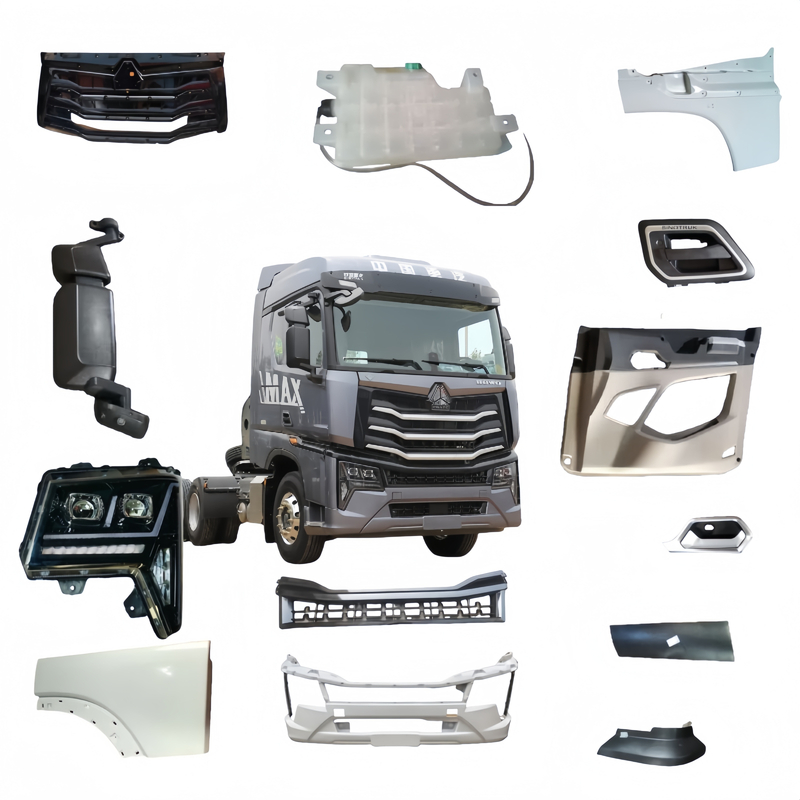
Original Equipment Manufacturer (OEM) genuine parts adhere to exact specifications and stringent quality control standards set by Sinotruk. Using these components preserves vehicle warranties and maintains long-term resale value. Genuine parts guarantee compatibility and performance under the demanding conditions heavy-duty trucks face daily. Factory engineers design these parts to work seamlessly with the specific tolerances of the WD615 or D12 engines, ensuring optimal fluid dynamics and thermal management.
Original Equipment Suppliers (OES) manufacture parts under contract for Sinotruk, while third-party aftermarket manufacturers produce alternatives independently. Aftermarket options often promise upfront cost reductions but introduce variable lifespans and potential compatibility issues. Fleet managers must weigh immediate savings against the risk of premature failure. An aftermarket water pump might fit the mounting bracket, but if the impeller design differs slightly, it will not circulate coolant at the required volume, leading to engine overheating on steep grades.
When evaluating OES or aftermarket alternatives, buyers must compare technical specifications rigorously. Assess material grades, machining tolerances, and physical dimensions against OEM standards. A slight deviation in tolerance can cause significant wear on surrounding components, leading to broader mechanical issues over time. You must demand material data sheets from suppliers if you step outside the genuine OEM supply chain.
Request the exact metallurgical composition of the replacement part.
Compare the weight of the aftermarket part against the genuine OEM component.
Measure the mounting hole distances using digital calipers to ensure exact fitment.
Verify the pressure ratings for any hydraulic or pneumatic valves.
Check the surface finish on mating surfaces to prevent gasket leaks.
For critical systems in commercial fleets operating under heavy loads, OEM components remain the mathematically sound choice. The reliability and guaranteed fitment of genuine parts prevent unexpected downtime, making them the most logical option for long-term fleet sustainability. You cannot afford to test unproven aftermarket brands on vehicles hauling maximum payloads across harsh terrain.
Matching the 17-character Vehicle Identification Number (VIN) against the SINOTRUK after-sale service software or Electronic Parts Catalog (EPC) is the primary standard for guaranteeing exact compatibility. This process eliminates guesswork and ensures you order the precise component engineered for your specific truck model. The EPC breaks down the entire vehicle into exploded diagrams, allowing procurement staff to pinpoint the exact bolt, gasket, or assembly required.
The technical sourcing workflow requires discipline. First, extract the VIN and engine or gearbox assembly nameplate codes directly from the physical truck. Next, cross-reference these codes in the SINOTRUK EPC to generate exact factory part numbers. Finally, issue a Request for Quotation (RFQ) to verified suppliers with explicit part-number requirements to avoid miscommunication. Never rely on generic descriptions like "HOWO water pump" when placing international orders.
If part numbers are unavailable, buyers must use alternative identification methods. Provide suppliers with clear photographs of the truck nameplates, detailed component measurements, and images of the old part from multiple angles. Experienced suppliers can use this data to identify the correct replacement accurately. Include a tape measure in the photograph to give the supplier a clear sense of scale.
Physical inspection of packaging reveals specific anti-counterfeit markers on genuine Sinotruk products. Look for official holograms, QR codes, specific labeling formats, and precise part number stamping. Discrepancies in material weight, surface finish, and machining tolerances often indicate counterfeit manufacturing. Counterfeiters frequently fail to replicate the exact font or barcode structure used on genuine Sinotruk factory labels.
Demand export documents and certificates of origin from your supplier to prove the parts were sourced directly from authorized manufacturing channels. Traceability protects your investment and ensures the components meet the safety and performance standards required for heavy-duty operations. A legitimate supplier will have no issue providing a packing list that matches the factory invoice.
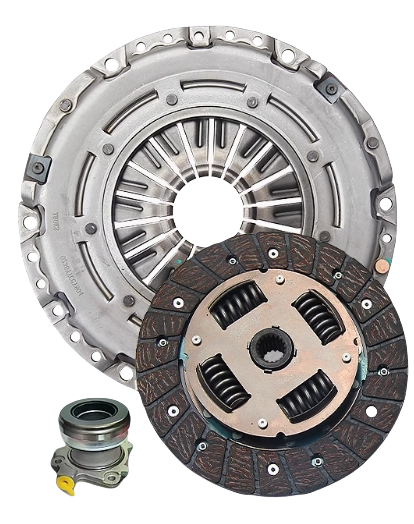
Engine and powertrain components require strict procurement focus, especially for WD615 and D12 series engines. High-stress parts like fuel injectors, turbochargers, cylinder liners, and piston rings must meet exact factory specifications to maintain optimal combustion efficiency and prevent catastrophic engine failure. The WD615 engine relies on precise fuel atomization. Using substandard injectors leads to carbon buildup on the valves, reducing compression and increasing fuel consumption across the fleet.
Transmission and drivetrain evaluation centers on torque capacity and wear resistance. When sourcing components for the HW19710 transmission, prioritize genuine clutch assemblies and synchronizers. These parts endure massive mechanical stress and require high-grade materials to ensure smooth shifting and power delivery. A failing synchronizer ring will cause gear grinding, which eventually sends metal shavings throughout the transmission casing, destroying the main shaft bearings.
Chassis, suspension, and braking systems are vital for load-bearing safety and compliance. Genuine brake drums, leaf springs, and axle components maintain the structural integrity of the truck under maximum payload conditions. The HC16 and AC16 drive axles require specific gear ratios to match the transmission output. Installing an incorrect ring and pinion gear set will cause immediate drivetrain binding and differential failure. Compromising on these parts risks severe accidents and regulatory penalties.
Consumables and filtration systems protect larger capital investments. Bulk-ordering genuine oil, fuel, and air filters ensures the engine and hydraulic systems remain free of contaminants. Regular replacement with high-quality filters extends the operational lifespan of major mechanical assemblies significantly. Heavy-duty trucks operating in dusty environments require primary and secondary air filter replacements at strict intervals to prevent silica dust from entering the intake manifold and scoring the cylinder walls.
System Category | High-Wear Component | Inspection / Replacement Indicator |
|---|---|---|
Engine (WD615/D12) | Fuel Injectors | Excessive black smoke, rough idle, poor fuel economy. |
Transmission (HW19710) | Synchronizer Rings | Difficulty engaging gears, audible grinding during shifts. |
Drive Axle (HC16/AC16) | Wheel Hub Bearings | Vibration at highway speeds, excessive heat at the hub. |
Suspension | Leaf Spring Bushings | Clunking noise over uneven terrain, uneven tire wear. |
Braking System | Brake Drums & Shoes | Increased stopping distance, deep scoring on the drum surface. |
Evaluating a wholesale supplier requires looking beyond their product catalog. Assess their warehouse capacity, direct factory relationships, and dedicated export teams. A supplier with robust infrastructure can process orders quickly and handle the complexities of international shipping without unnecessary delays. Ask for video tours of their warehousing facilities to verify they actually hold physical stock rather than just drop-shipping from unknown third parties.
Stable, long-term parts supply depends on multi-warehouse distribution and guaranteed buffer stock agreements. Assess the supplier's capability to maintain inventory levels for high-demand components. Reliable suppliers anticipate market shortages and hold sufficient stock to keep your fleet running during supply chain disruptions. You want a partner who can allocate a specific volume of fast-moving consumables exclusively for your fleet's quarterly draw-downs.
Technical support capabilities separate professional suppliers from simple brokers. Ensure the supplier offers technical consultation, compatibility checks via SINOTRUK software, and post-sale troubleshooting. Access to knowledgeable support staff helps resolve fitment issues quickly and prevents costly procurement mistakes. If a supplier cannot interpret a Sinotruk EPC diagram, they cannot reliably supply complex engine internals.
Define standard warranty expectations for heavy-duty components and establish how cross-border claims will be handled structurally. A reputable supplier provides clear warranty terms and a straightforward process for replacing defective parts, minimizing financial risk for the buyer. They should offer a clear protocol for submitting photographic evidence of part failure to expedite the replacement shipping process.
Communication and transparency are vital for cross-border transactions. Demand real-time inventory updates, clear pricing structures, and photographic proof of packing before shipment. Transparent suppliers build trust and allow fleet managers to plan maintenance schedules accurately. You should receive photos of the wooden crates, the internal packing materials, and the final container seal before the vessel departs.
Choosing the right logistics strategy balances cost and time. Air freight is necessary for critical Vehicle Off Road (VOR) situations where downtime costs exceed shipping fees. Sea freight remains the most cost-effective method for bulk stock replenishment, requiring careful planning to accommodate longer transit times. Fleet managers must calculate the daily revenue loss of a grounded truck against the premium cost of air freight to make logical shipping decisions.
Customs clearance often creates bottlenecks when importing heavy machinery components. Identify the specific documentation required in your destination country, such as CIQ, SGS, BV inspections, or a Certificate of Conformity. Preparing these documents in advance ensures smooth customs processing and prevents costly storage fees at the port. Missing a single commercial invoice stamp can leave a container sitting in a customs hold for weeks, accumulating demurrage charges daily.
A hybrid stocking model balances holding costs against the risk of international shipping delays. Predictive inventory management for high-wear items ensures critical parts are available immediately, while Just-In-Time (JIT) strategies can be applied to less critical components. This approach optimizes cash flow while maintaining fleet readiness. You should keep heavy, expensive items like engine blocks on a slow sea-freight schedule, while maintaining a local buffer of lightweight sensors and relays.
Audit your current fleet to determine the exact ratio of WD615 to D12 engines.
Establish a minimum stock level for all primary and secondary filtration units.
Require your supplier to provide a proforma invoice detailing exact HS codes for customs.
Schedule sea freight shipments 60 days prior to your projected inventory depletion date.
Sourcing genuine Truck Parts is a long-term investment in fleet reliability, operational efficiency, and transportation safety. By verifying VIN compatibility, choosing OEM-quality components, and working with experienced suppliers, fleet operators can reduce downtime, improve maintenance planning, and achieve a lower total cost of ownership.
Choosing the right supplier is just as important as selecting the right parts. Yibo Auto Parts specializes in genuine and OEM heavy-duty truck parts, offering comprehensive product solutions, professional technical support, and reliable global supply services for fleet operators, wholesalers, and distributors worldwide.
To strengthen your procurement strategy, consider these best practices:
Compile a complete database of your fleet's VINs and major component part numbers.
Identify high-wear replacement parts based on maintenance history and stocking frequency.
Work with verified suppliers that provide EPC verification, export documentation, and stable inventory.
Develop a hybrid procurement plan that combines scheduled sea freight with emergency air freight for critical replacement parts.
A: Provide your 17-character VIN to a verified supplier. They will input this code into the SINOTRUK Electronic Parts Catalog (EPC) to pull the exact factory build sheet, ensuring the part numbers match your specific truck configuration perfectly.
A: Genuine Sinotruk parts are branded and sold directly through authorized Sinotruk channels. OEM parts are manufactured by the same contracted factories that supply Sinotruk but may be sold under the manufacturer's own brand name without the official Sinotruk logo.
A: Check for official holograms, QR codes, and precise part number stamping on the packaging. Inspect the component for correct material weight, smooth surface finish, and accurate machining tolerances. Requesting certificates of origin from your supplier also helps verify authenticity.
A: Air freight typically takes 5 to 10 days, making it ideal for urgent repairs. Sea freight usually requires 30 to 45 days, depending on the destination port, and is best suited for bulk stock replenishment and heavy components.
A: Yes, genuine HOWO parts usually carry a manufacturer's warranty against defects. However, the claim process depends on your supplier's policies. Always clarify how cross-border warranty claims are handled before finalizing your purchase.
A: Standard requirements include a Commercial Invoice, Packing List, Bill of Lading, and Certificate of Origin. Depending on your local customs regulations, you may also need specific inspection certificates like SGS, BV, or a Certificate of Conformity.


