Professional Truck Parts Supplier

- All
- Product Name
- Product Keyword
- Product Model
- Product Summary
- Product Description
- Multi Field Search
Views: 0 Author: Site Editor Publish Time: 2026-09-24 Origin: Site


Commercial vehicle downtime drains fleet profitability rapidly. A grounded Isuzu box truck or flatbed costs operations massive daily financial losses through lost revenue and missed delivery service level agreements. Dispatchers scramble to reroute freight while clients lose trust in your reliability. Sourcing replacement components adds another layer of complexity to this stressful situation. Fleet managers and owner-operators must balance strict maintenance budgets against serious operational risks. Premature component failure, warranty voidance, and safety compliance issues constantly threaten fleet stability. This guide provides a technical evaluation framework for navigating the commercial components market. We designed it to help procurement managers and mechanics choose between OEM, aftermarket, and remanufactured options based on operational demands and long-term lifecycle value. Proper sourcing strategies keep trucks on the road, maintain compliance, and protect your bottom line from unexpected catastrophic failures.
OEM vs. Aftermarket Viability: Genuine parts guarantee fit and warranty compliance, but top-tier aftermarket parts can offer a 20-30% cost reduction for non-critical systems if vetted properly.
Verification is Mandatory: Relying on year/make/model is insufficient for commercial trucks; exact fitment requires precise VIN decoding and cross-referencing Isuzu part numbers.
Lifecycle Value Over Upfront Cost: Evaluating parts based solely on initial price ignores the compounding costs of shortened lifespans, secondary component damage, and repeated labor charges.
Supplier Credibility: Sourcing from authorized dealers or certified heavy-duty distributors mitigates the growing risk of counterfeit commercial parts entering the supply chain.
Table of Contents
Fleet maintenance should focus on three core objectives: maximizing uptime, maintaining safety compliance, and controlling operating costs. Choosing reliable truck parts helps reduce failures, keep vehicles legally compliant, and improve overall fleet efficiency.
A low-cost part may create higher expenses if it fails during operation. Breakdown repairs, towing costs, and lost delivery time often exceed the original savings. Durable components help prevent unexpected failures and reduce long-term maintenance costs.
Poor-quality parts can create safety risks during inspections. Problems such as brake failures or damaged components may lead to vehicle downtime, penalties, and delayed deliveries. Reliable parts help fleets maintain safe operation and avoid unnecessary interruptions.
Using unsuitable replacement parts may affect warranty coverage and vehicle performance. Fleet operators should choose components that meet manufacturer requirements and provide stable quality throughout the truck’s service life. This helps protect both vehicle value and maintenance budgets.
Mechanics utilize three primary sourcing channels for commercial repairs. Each category serves distinct operational needs. Understanding the engineering differences helps you allocate your maintenance budget effectively without compromising vehicle safety or reliability.
These parts come directly from the original manufacturer or their authorized tier-one suppliers. They are identical to the factory originals installed on the assembly line. Engineers design them specifically for your exact chassis and engine configuration, ensuring seamless integration with the vehicle's existing systems.
Pros: You receive guaranteed fitment and strict quality control. Dealerships provide nationwide warranty backing, which often includes labor reimbursement if the part fails prematurely.
Cons: You pay premium initial costs. You might also face supply chain bottlenecks for older, discontinued models where factory production has slowed.
Best Use Cases: Critical engine components demand OEM reliability. Fuel injectors, turbochargers, emissions systems, and electrical control modules require exact factory specifications. For example, OEM Denso injectors are coded specifically to the engine control module (ECM) to ensure precise fuel delivery.
Third-party manufacturers design these components to meet or exceed original specifications. The aftermarket sector ranges from premium engineering firms that supply heavy-duty fleets to low-quality offshore producers. Vetting the supplier is mandatory when operating in this category.
Pros: They offer significant cost efficiency and wider availability through local parts houses. Sometimes aftermarket engineers improve upon flawed original designs, offering upgraded materials like polyurethane bushings instead of standard rubber.
Cons: You face highly variable quality across different brands. You may encounter fitment issues, shorter warranty periods, and inconsistent material grades.
Best Use Cases: Standard wear items fit this category perfectly. Brake pads, rotors, suspension components, mirrors, and non-critical body panels offer safe opportunities for savings without risking catastrophic engine failure.
These are used core parts completely disassembled, cleaned, and machined. Technicians upgrade internal components, replace all wear items, and test the final assembly to factory standards on a dynamometer. Remanufacturing is entirely distinct from merely repairing a broken part.
Pros: You gain significant savings on heavy assemblies compared to buying brand new. This approach also promotes environmental sustainability by reusing heavy metal castings like engine blocks and transmission cases.
Cons: You must manage strict core charge returns to recoup your deposits. Quality depends entirely on the remanufacturer's testing facilities and quality control processes.
Best Use Cases: Heavy assemblies make ideal remanufactured candidates. Transmissions, alternators, steering gearboxes, and heavy engine blocks provide excellent value when sourced from certified rebuilders.
Component Category | Primary Advantage | Primary Disadvantage | Ideal Fleet Application |
|---|---|---|---|
Genuine OEM | Guaranteed fit and nationwide warranty | Highest initial procurement cost | Injectors, Turbochargers, ECM Sensors |
High-Tier Aftermarket | Cost efficiency and local availability | Variable quality control across brands | Brake Pads, Rotors, Lighting, Mirrors |
Remanufactured | Massive savings on heavy assemblies | Complex core charge return logistics | Transmissions, Alternators, Engine Blocks |
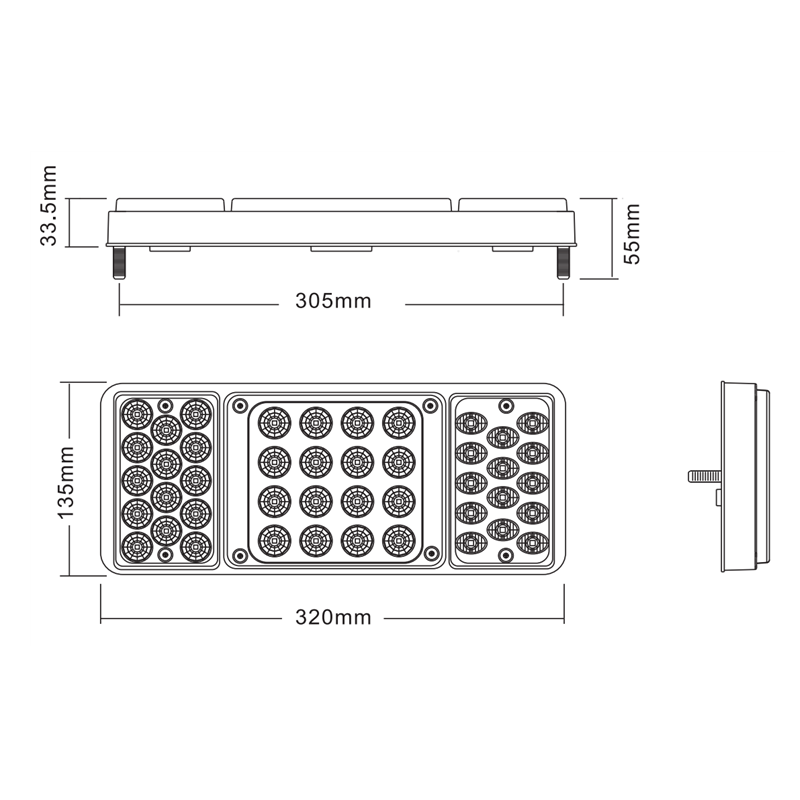
Different truck classes experience distinct operational stresses based on their daily routes and payload capacities. You must tailor your procurement strategy to the specific vehicle application to maximize component lifespan.
Urban delivery vehicles experience specific wear-and-tear patterns. Constant stop-and-go driving stresses brake systems heavily. Heat builds up rapidly in the rotors during city routes. Inferior brake pads glaze over under these conditions, reducing stopping power and compromising safety. High-turnover isuzu truck parts include brake calipers, kingpin kits, and transmission fluids. Kingpin wear accelerates rapidly when trucks constantly navigate tight loading docks and urban corners. If kingpins get loose, steer tire wear accelerates, forcing you to replace expensive rubber prematurely. Fleet managers must monitor these components closely and source high-thermal-capacity replacements.

Isuzu F-Series trucks handle heavier loads and more demanding working conditions. Components such as air brake systems, suspension parts, and cooling systems require strong durability to support heavy cargo and long working hours. Selecting high-strength replacement parts helps prevent unexpected failures and downtime.
Modern Isuzu diesel trucks rely on emission components such as DPF, DOC, SCR, EGR, and DEF systems to meet environmental requirements. Poor-quality emission parts can cause warning lights, engine power reduction, and unnecessary downtime. Using reliable components helps maintain engine performance and avoid costly repairs.
Procurement teams must use strict technical criteria to assess part viability. Do not rely on guesswork, visual comparisons, or generic aftermarket catalogs when ordering components for commercial vehicles.
Using only the truck model is not enough to select the correct replacement parts. VIN verification provides detailed vehicle information, including engine type, chassis configuration, and production specifications. Checking the VIN before ordering helps ensure part compatibility and prevents repair delays caused by incorrect components.
Truck parts should be selected based on actual working conditions. Urban delivery, long-distance driving, and heavy-load operations create different demands on brakes, suspension, and other components. Choosing materials that match the operating environment improves durability, reduces wear, and extends service life.
Reliable suppliers should provide quality certifications and testing records for aftermarket and remanufactured parts. Certifications such as ISO 9001 demonstrate quality management, while proper testing ensures components meet performance requirements. Working with verified suppliers helps reduce the risk of inconsistent quality and early failures.
Online suppliers often provide wider product options and competitive pricing, while local dealerships offer faster access and direct support. Buyers should compare shipping costs, return policies, inventory availability, and technical support to choose the most suitable purchasing channel for their fleet needs.
Analyze the trade-offs between initial procurement costs and long-term operational expenses. Smart fleets look beyond the initial invoice and evaluate how a component performs over the entire life of the vehicle.
The cheapest truck parts are not always the most economical choice. Low-quality components may fail more often and create additional labor and downtime costs. Choosing durable parts with reliable performance can reduce replacement frequency and provide better long-term value throughout the vehicle’s service life.
Preventive maintenance kits help simplify regular truck servicing by including all necessary components in one package. They reduce preparation time, prevent missing small but important parts, and improve maintenance efficiency. Using complete kits helps fleets keep trucks operating reliably and avoid unnecessary service interruptions.
Maintenance Interval | Required Components | Inspection Focus |
|---|---|---|
10,000 Miles | Oil Filter, Fuel Filter, Engine Oil | Fluid leaks, tire wear, brake pad thickness |
30,000 Miles | Air Filter, Cabin Filter, Wiper Blades | Belt tension, suspension bushings, kingpin play |
60,000 Miles | Transmission Fluid, Differential Fluid, Coolant | DPF ash load, brake rotor condition, exhaust leaks |
Read the fine print of every warranty policy before committing to a supplier. Differentiate between part-replacement-only warranties and comprehensive coverage. Comprehensive warranties cover the labor costs associated with a premature failure. Labor reimbursement protects your maintenance budget significantly. If an aftermarket alternator fails after two months, a basic warranty only gives you a new alternator in a box. You still pay your mechanic their hourly rate to install it again. OEM warranties often cover the labor if an authorized facility performs the work.
Waiting for parts carries a massive hidden cost. Partner with distributors who maintain localized inventory for high-turnover items. Fast access to brake components, filters, and sensors keeps trucks moving. Extended lead times paralyze fleet operations and force dispatchers to rent substitute vehicles. Build relationships with vendors who offer overnight shipping for critical electrical and engine components to minimize bay time.
Audit your current parts inventory immediately to identify and remove obsolete, unverified, or counterfeit components from your shelves.
Implement a strict 17-character VIN-verification policy for all future mechanic orders to eliminate fitment errors and reduce bay times.
Establish a direct purchasing relationship with a certified commercial parts distributor who offers transparent warranty policies and fast fulfillment.
Update your Fleet Management Software with standardized component numbers to track lifecycle performance and optimize future purchasing decisions.
A: Locate the 17-character VIN on your vehicle. Input this VIN into a digital parts catalog or provide it to an authorized dealer. The VIN decodes your specific chassis, engine variant, and production run, ensuring you receive the exact matching component.
A: Reliability depends entirely on the manufacturer tier and the specific component type. Top-tier aftermarket brands often match OEM quality for basic wear items like brake pads. However, critical engine and emissions components should generally remain OEM to ensure maximum reliability.
A: While some basic chassis components remain consistent, engine and emissions systems vary drastically by year. Manufacturers update sensors, wiring harnesses, and modules frequently. You must use strict VIN verification rather than assuming parts cross over between model years.
A: Genuine OEM warranties typically cover defects in materials and workmanship for a specific mileage or time period. If an authorized dealer installs the component, the warranty often includes labor reimbursement for replacing a prematurely failed unit.
A: Visual indicators include poor machining quality, incorrect packaging fonts, and missing security holograms. Counterfeits often lack stamped engineering numbers. Purchasing from unverified online sellers significantly increases your risk of receiving fake components.
A: You can find the VIN in several physical locations. Check the driver's side door jamb for the primary compliance sticker. Another VIN plate sits on the dashboard, visible through the lower corner of the windshield.
A: A core charge acts as a deposit to ensure you return the rebuildable original part. Once you install the new unit, you ship the old component back to the supplier. The supplier inspects the core and refunds your deposit.


