Professional Truck Parts Supplier

- All
- Product Name
- Product Keyword
- Product Model
- Product Summary
- Product Description
- Multi Field Search
Views: 0 Author: Site Editor Publish Time: 2026-07-15 Origin: Site


Heavy-duty fleet profitability hinges directly on vehicle uptime. A single component failure in a commercial truck can result in delayed shipments, missed deadlines, and operational downtime. When dealing with massive payloads and grueling operational environments, the structural integrity of every mechanical element is tested to its absolute limit. Fleet operators cannot afford unexpected breakdowns caused by compromised components.
Procurement managers and fleet operators face a highly fragmented market for heavy-duty components. It becomes increasingly difficult to distinguish between high-tolerance OEM components and substandard aftermarket alternatives that risk catastrophic system failure. The influx of unverified components complicates maintenance schedules and threatens the safety of drivers and cargo alike. Identifying reliable sourcing channels is paramount for sustained operational success.
This guide provides a technical evaluation framework for sourcing, verifying, and maintaining essential Shacman components. By focusing on rigorous quality control and strategic procurement, fleet managers can ensure vehicle reliability, maintain strict regulatory compliance, and optimize overall lifecycle performance.
System-Critical Prioritization: Powertrain, Fast Gearbox transmission, and hydraulic systems require strict adherence to OEM specifications to maintain heavy-duty load capacities.
Verification is Mandatory: Authentic components must be validated through the official global spare parts supply system using precise part numbers and material certifications to avoid counterfeit risks.
Preventative Procurement: Shifting from reactive replacement to predictive inventory management for high-wear items (filters, brake pads, electrical sensors) significantly reduces unplanned fleet grounding.
Supplier Vetting: Evaluating vendors based on warranty terms, supply chain transparency, and technical support is as critical as the unit cost of the parts themselves.
Table of Contents
Establishing baseline metrics for component performance is the first step in optimizing fleet operations. Procurement teams must track mean time between failures (MTBF), load-bearing longevity, and integration capabilities with existing fleet management software. When you monitor these metrics accurately, you can identify which components consistently underperform and adjust your sourcing strategy accordingly. High-quality components demonstrate predictable wear patterns, allowing maintenance teams to schedule replacements during planned downtime rather than responding to roadside emergencies.
Analyzing the cascading failures caused by out-of-spec components reveals the hidden dangers of substandard manufacturing. For example, a failing non-OEM air filter might seem like a minor issue initially. However, poor filtration allows particulate matter to bypass the intake, accelerating internal engine wear, scoring cylinder liners, and ultimately leading to premature engine overhaul requirements. A single compromised part often acts as the catalyst for a chain reaction of mechanical failures, multiplying repair costs exponentially. We see this frequently in mining operations where dust ingress destroys engines within months if the filtration media lacks the proper micron rating.
Utilizing certified Truck Parts ensures compliance with international heavy-duty transport safety and emissions standards. Regulatory bodies enforce strict guidelines regarding braking distances, exhaust emissions, and structural integrity. Authentic components are engineered and tested to meet or exceed these regulatory thresholds. Utilizing unverified aftermarket alternatives not only compromises vehicle safety but also exposes fleet operators to severe fines, failed inspections, and potential legal liabilities following an accident.
Consider the operational reality of a fleet running 50 dump trucks. If even 10% of those vehicles experience unexpected downtime due to inferior brake valves or steering knuckles, the logistical backlog disrupts the entire supply chain. Fleet managers must shift their perspective from viewing parts as simple commodities to recognizing them as foundational elements of operational stability. Every bolt, seal, and sensor plays a role in keeping the truck on the road and generating revenue.
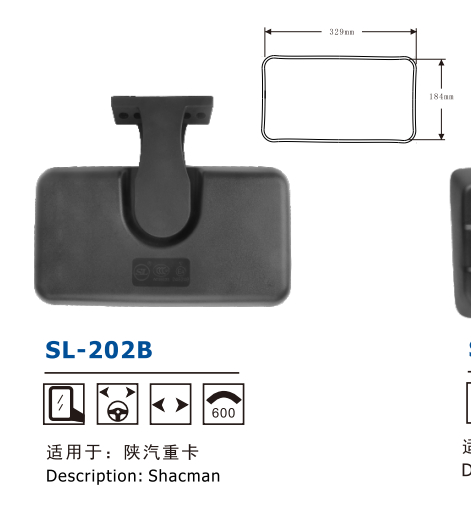
Evaluating engine components requires a strict focus on combustion efficiency, thermal management, and compatibility with specific engine models, such as the widely used Weichai and Cummins MC11/13 series. Heavy-duty engines operate under extreme thermal and mechanical stress, demanding components that can withstand constant pressure without degrading. Proper thermal management prevents localized overheating, which can warp cylinder heads and degrade engine oil prematurely.
Essential items within this category include fuel injectors, turbochargers, heavy-duty cooling systems, pistons, cylinder liners, and high-capacity filtration units. Fuel injectors must deliver precise atomization for optimal combustion, while turbochargers require perfectly balanced impellers to provide adequate boost pressure without catastrophic bearing failure. High-capacity filtration units protect these sensitive internals from abrasive contaminants found in mining and construction environments.
Ensuring exact match tolerances is critical to prevent compression loss, oil dilution, and fuel inefficiency. Even microscopic deviations in piston ring gaps or cylinder liner dimensions can lead to blow-by, where combustion gases escape into the crankcase. This reduces engine power and contaminates the lubricating oil, further accelerating wear across the entire powertrain.
When replacing engine internals, technicians must follow a strict protocol:
Verify the engine serial number against the manufacturer's database to confirm the exact block revision.
Inspect the old components for abnormal wear patterns, such as scoring on the piston skirts, which indicates lubrication failure.
Measure the cylinder bore with a dial bore gauge to ensure it remains within factory specifications before installing new liners.
Torque all main bearing caps and connecting rod bolts to the exact specifications outlined in the service manual, using a calibrated torque wrench.
The evaluation focus for transmission systems centers on torque transfer efficiency, gear synchronization, and thermal dissipation under maximum payload conditions. Heavy-duty trucks require transmissions capable of multiplying engine torque smoothly while managing the immense heat generated by constant gear engagement. Fast Gearbox systems are specifically engineered to handle these extreme loads, but they rely entirely on the integrity of their internal components.
Essential replacement items include clutch assemblies, synchronizer rings, gearbox covers, main shafts, housing assemblies, and complete Fast Gearbox specific replacement kits. Synchronizer rings are particularly vulnerable to wear, as they absorb the friction required to match gear speeds during shifts. Worn synchronizers lead to grinding gears, which can quickly destroy the main shaft and gear teeth.
Identifying wear patterns on transmission gears and housing covers in manual versus automated manual transmissions (AMT) allows technicians to schedule preemptive overhauls. AMTs rely on precise pneumatic or hydraulic actuators to execute shifts. Degradation in these actuators or internal gear wear alters shift timing, leading to harsh engagements and accelerated driveline shock.
Transmission Component | Common Failure Mode | Inspection Metric |
|---|---|---|
Synchronizer Rings | Friction material depletion | Measure gap between ring and gear cone |
Main Shaft | Spline wear or twisting | Visual inspection for spline deformation |
Clutch Release Bearing | Bearing seizure | Listen for noise during clutch engagement |
Pneumatic Actuators (AMT) | Air leaks or sluggish response | Pressure drop test during shift cycles |
Stopping distance reliability under load, steering responsiveness, chassis stability, and hydraulic pressure retention are the primary evaluation metrics for these critical systems. Dump trucks and heavy haulers operate with massive kinetic energy. The braking system must dissipate this energy safely and consistently, regardless of environmental conditions or payload weight.
Essential items encompass pneumatic brake valves, high-friction brake pads, power steering pumps, tie rods, steering knuckles, leaf springs, shock absorbers, and multi-stage hydraulic cylinders. Multi-stage hydraulic cylinders are the lifeblood of dump truck operations, requiring robust seals to maintain lifting pressure without leaking hydraulic fluid under maximum extension.
Routine inspection protocols for hydraulic seal integrity and suspension fatigue are mandatory in heavy-duty off-road or mining applications. Leaf springs and shock absorbers endure constant impact loading. Micro-fractures in suspension components must be identified and replaced before they propagate into complete structural failures, which could cause a loaded vehicle to roll over.
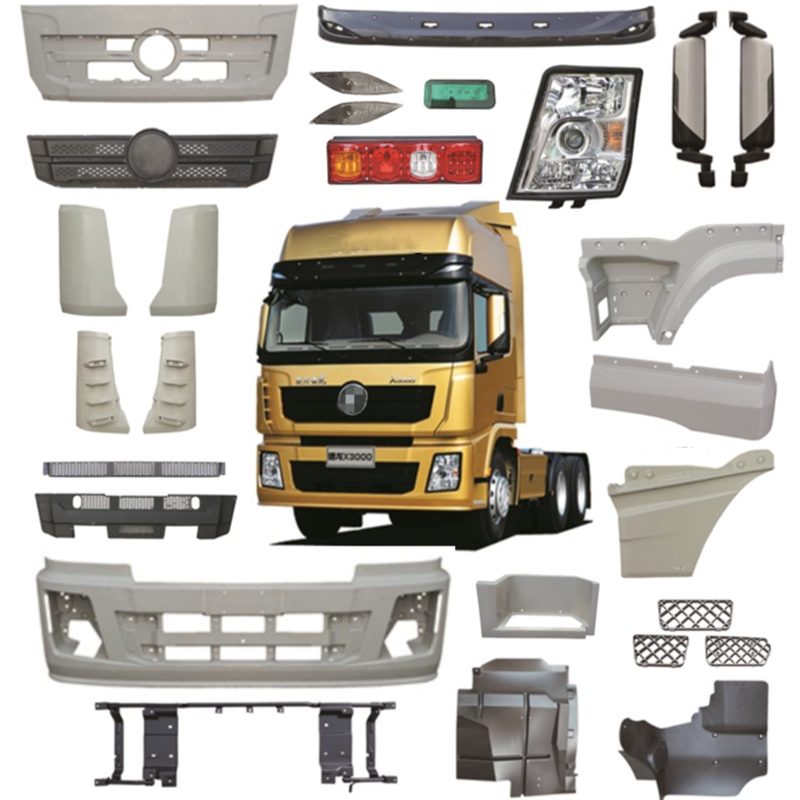
Diagnostic accuracy, weatherproofing of harnesses, and operator ergonomics define the evaluation focus for electrical and cabin components. Modern heavy-duty trucks rely heavily on electronic control networks to manage engine performance, emissions, and safety systems. Moisture ingress or vibration-induced wire chafing can cripple a truck just as effectively as a mechanical failure.
The three must-have electrical parts for peak performance include:
Heavy-Duty Starter Motors: Designed for reliable cold-cranking under extreme thermal conditions, ensuring the engine turns over even in sub-zero environments.
High-Output Alternators: Engineered to sustain deep-cycle battery charging and power auxiliary fleet electronics, preventing voltage drops that can trigger false diagnostic codes.
Central Engine Control Units (ECUs): Calibrated for precision injection timing and emissions compliance, acting as the brain of the powertrain.
Sourcing structural cabin assemblies, doors, replacement panels, and cabin suspension mounts is vital to maintain driver safety and vehicle aerodynamics. The cabin serves as the operator's protective shell. Compromised structural panels or worn cabin suspension mounts increase driver fatigue through excessive vibration and noise exposure.
Preventing electrical shorts in harsh environments requires the use of IP-rated connectors and OEM-grade wiring harnesses. Standard automotive wiring cannot withstand the corrosive chemicals, high-pressure washes, and extreme temperature fluctuations common in heavy-duty trucking applications.
Comparing the metallurgical composition and manufacturing tolerances of OEM Shacman parts against Tier 1 and Tier 2 aftermarket options is a critical procurement exercise. OEM components are cast and machined to exact proprietary specifications. While some Tier 1 aftermarket suppliers produce high-quality alternatives, Tier 2 and lower options frequently utilize inferior metal alloys that lack the necessary tensile strength for heavy-duty applications.
The use of non-approved aftermarket parts heavily impacts the manufacturer's warranty on major assemblies. If a catastrophic engine failure is traced back to a non-compliant aftermarket oil pump or filter, the manufacturer will likely deny the warranty claim, leaving the fleet operator responsible for the entire repair bill.
Establishing a decision framework helps determine when it is acceptable to use aftermarket components versus when OEM is non-negotiable. Non-critical items like cabin trim, mirrors, or standard lighting fixtures can often be sourced from reputable aftermarket vendors. However, internal engine components, drivetrain parts, and critical safety systems must strictly remain OEM to guarantee performance.
Assessing tensile strength, heat treatment processes, and corrosion resistance is vital for critical load-bearing parts. Components like axles, steering knuckles, and suspension mounts undergo immense cyclical loading. Proper heat treatment ensures the metal is hard enough to resist wear but ductile enough to absorb impact without shattering.
Requesting and verifying ISO certifications, material test reports, and metallurgical standards from suppliers provides objective proof of component quality. Procurement teams should not rely solely on vendor claims; demanding documentation ensures the supplied parts meet the rigorous engineering standards required for heavy-duty operation.
Navigating the official global spare parts supply database allows operators to search, verify, and source components accurately. The SHACMAN Spare Parts Supply System is a comprehensive tool designed to eliminate guesswork from the procurement process. Utilizing this system ensures you are ordering the exact revision of a part designed for your specific chassis.
Cross-referencing vehicle identification numbers (VINs) with the official parts manual prevents costly ordering errors. Heavy-duty trucks are frequently customized during production. Two trucks of the same model year might have different axles or transmission ratios. The VIN dictates the exact bill of materials used during assembly.
Visual and structural indicators help detect counterfeit components. Counterfeiters often replicate packaging, but the parts themselves usually exhibit inconsistent casting marks, poor machining, incorrect weight, or missing security holograms. Training technicians to spot these discrepancies prevents dangerous fake parts from entering your inventory.
Verification Method | Application Focus | Risk Mitigated |
|---|---|---|
VIN Cross-Referencing | Ensuring exact fitment for specific truck builds. | Ordering incompatible or incorrect revision parts. |
Material Test Reports | Validating metallurgical strength of load-bearing parts. | Premature structural failure under heavy payload. |
Visual Hologram Inspection | Confirming authenticity upon delivery. | Installing counterfeit components that compromise safety. |
Developing a mileage-based and engine-hour-based replacement schedule for belts, filters, brake linings, and fluids transforms maintenance from a reactive scramble to a controlled process. Heavy-duty operations often idle for extended periods, making engine hours a more accurate metric for wear than mileage alone. Adhering to strict schedules prevents minor wear from escalating into major mechanical failures.
Using onboard diagnostics (OBD) and fleet telematics allows managers to predict component end-of-life before failure occurs. Telematics systems monitor engine temperatures, oil pressure drops, and fuel consumption trends in real-time. A gradual decrease in oil pressure, for instance, signals impending bearing wear, prompting a scheduled inspection before the engine seizes.
Implementing a predictive maintenance program requires specific steps:
Install telematics hardware on all fleet vehicles to capture real-time engine and transmission data.
Establish baseline performance metrics for fluid degradation and operating temperatures.
Set automated alerts for when parameters deviate from the established baselines.
Schedule shop time based on these alerts rather than waiting for a driver to report a physical breakdown.
Identifying critical spare parts that require on-site stocking versus parts that can be ordered just-in-time (JIT) optimizes inventory capital. High-turnover items like filters, drive belts, fuses, and brake pads should always be kept in local inventory. Conversely, large, expensive, and rarely replaced items like complete cabin assemblies or engine blocks can be sourced as needed.
Establishing relationships with multiple certified distributors buffers against regional stockouts or shipping delays. Relying on a single vendor exposes the fleet to significant risk if that supplier experiences a logistics failure. Diversified sourcing ensures a continuous flow of essential maintenance materials regardless of external market disruptions.
Calculating the true cost of a component requires factoring in the purchase price, installation labor, expected lifespan, and the potential downtime risk associated with premature failure. A cheaper aftermarket part might save money initially, but if it requires replacement twice as often and causes unexpected roadside breakdowns, its actual cost to the fleet is significantly higher than the premium OEM alternative.
Negotiating bulk procurement contracts for consumable components reduces per-unit costs without sacrificing quality. Fleet managers can leverage their purchasing volume to secure favorable terms with certified distributors. Bulk purchasing of verified filters, brake components, and fluids ensures consistent quality across the fleet while maintaining budget discipline.
Evaluating distributors on their global delivery reach, return policies, technical support capabilities, and speed of fulfillment is essential. A reliable vendor acts as a partner in fleet maintenance, providing rapid access to technical documentation and expedited shipping for critical grounded-truck situations. Vendor technical support can dramatically reduce diagnostic time for complex electrical or hydraulic issues.
Understanding the claims process for defective parts and ensuring the supplier covers secondary damage caused by component failure protects the fleet's bottom line. A robust warranty should not only replace the failed part but also address the collateral damage it caused to surrounding systems. Clear warranty terms separate reputable suppliers from those pushing substandard inventory.
Choosing high-quality Shacman Truck Parts is essential for maximizing fleet uptime, reducing maintenance costs, and ensuring reliable performance in demanding commercial transportation. By selecting the right components, verifying OEM compatibility, and implementing predictive maintenance, fleet operators can improve vehicle reliability while minimizing long-term operating expenses.
Partnering with a trusted truck parts supplier is equally important for maintaining consistent product quality and supply. Yibo Auto Parts specializes in heavy-duty truck parts and replacement components, offering reliable products, professional technical support, and customized supply solutions for commercial fleets and distributors worldwide.
Before placing your next order, consider these best practices:
Conduct an immediate audit of your current spare parts inventory to remove unverified or counterfeit components.
Cross-reference high-failure items with OEM manuals and VIN information before purchasing.
Build long-term relationships with certified suppliers to ensure stable product availability.
Implement a predictive maintenance program based on engine hours, telematics, and real operating conditions.
A: You can verify authenticity by logging into the official global spare parts supply database and cross-referencing the part number, casting marks, and security holograms against the official specifications linked to your vehicle's VIN.
A: Essential inventory for dump trucks should include high-wear items such as hydraulic cylinder seals, heavy-duty brake pads, air and fuel filters, drive belts, and suspension leaf springs to minimize operational downtime.
A: Inspections should occur during routine preventative maintenance intervals, typically every 50,000 to 80,000 kilometers, or immediately if drivers report harsh shifting, grinding noises, or delayed gear engagement.
A: Yes, using non-approved aftermarket components for critical systems (engine, transmission, drivetrain) will generally void the manufacturer warranty if those parts are found to cause or contribute to a mechanical failure.
A: Correct part numbers are located in the official Shacman parts manual specific to your truck's build. Always use your VIN to search the official supply database to ensure exact engine model compatibility.
A: Lead times vary based on global logistics and regional distributor inventory, but large structural items like complete cabin assemblies typically require 4 to 8 weeks for delivery if not stocked locally.
A: OEM electrical parts feature superior weatherproofing, exact diagnostic calibration, and higher thermal tolerances. They utilize IP-rated connectors designed specifically to withstand the harsh vibration and moisture of heavy-duty environments.


