Professional Truck Parts Supplier

- All
- Product Name
- Product Keyword
- Product Model
- Product Summary
- Product Description
- Multi Field Search
Views: 0 Author: Site Editor Publish Time: 2026-03-26 Origin: Site


Why do some trucks fail faster than others? Often, it is about Truck Parts.The Dongfeng Tianlong needs reliable parts for heavy work.In this article, you will learn key systems, common replacements, and how to choose the right truck parts.
The Dongfeng Tianlong is a heavy-duty truck designed for high-load and long-distance operations. It serves logistics companies, construction fleets, and industrial transport businesses that require stable performance under pressure. You often see it in highway freight, bulk cargo delivery, and cross-regional transportation tasks. It handles demanding routes, harsh weather, and continuous operation cycles without frequent downtime.
It is not just a vehicle, it is a working asset. It must operate daily, often under heavy loads and tight schedules. That is why reliability becomes a priority. Its structure supports different transport scenarios, including:
Long-haul logistics between cities and regions
Regional distribution for warehouses and supply chains
Heavy cargo transport in construction and mining environments
Commercial fleet operations with high utilization rates
These applications explain why the Tianlong is widely used in demanding working environments. It is built to handle stress, but that also means its Truck Parts are constantly under wear. Over time, every working condition affects different systems, especially engine, cooling, and chassis components.
For any heavy-duty truck, Truck Parts are not just components. They are the foundation of daily operation. Each part contributes to safety, efficiency, and uptime. If one part fails, it can affect the entire system. That is why operators and fleet managers always focus on part condition and replacement planning.
Let’s break down why these parts matter in real operation:
Safety first: Brake systems, mirrors, and lighting directly affect driving safety. If they fail, risks increase immediately.
Operational reliability: Engine and transmission parts must work continuously. Any failure can stop the truck and delay delivery.
Fuel efficiency: Well-maintained components reduce energy loss. Poor-quality parts can increase fuel consumption.
Vehicle uptime: Reliable parts reduce unexpected breakdowns. This keeps trucks on the road and reduces downtime costs.
Regular replacement planning is also critical. Many operators follow a proactive approach instead of waiting for failure. They monitor wear, schedule replacements, and keep essential spare truck parts ready. This approach helps reduce sudden breakdown risks and improves long-term vehicle performance.
When we talk about Truck Parts, cab and exterior components are often the first things we notice. They include rearview mirrors, lamps, bumpers, doors, panels, and grilles. These parts shape how the truck looks, but more importantly, they affect safety and daily usability. If a mirror fails or a lamp stops working, it directly impacts visibility and road awareness.
From a working perspective, these parts face constant exposure. Dust, rain, vibration, and road debris all affect them over time. That is why they are among the most frequently replaced truck spare parts in commercial fleets.
Here is how these exterior parts contribute to operation:
Rearview mirrors improve visibility and reduce blind spots. They help drivers stay aware in tight traffic conditions.
Truck lamps and lighting systems support night driving and poor weather visibility. They are essential for safety compliance.
Bumpers and panels absorb impact and protect internal structures. They also maintain the truck’s structural integrity.
Doors and cab components improve driver comfort and access. They affect long-term usability and maintenance convenience.
Engine and cooling Truck Parts form the core of performance. They keep the engine running smoothly and prevent overheating during long operations. In a Dongfeng Tianlong, these parts work under heavy load conditions for extended periods. That is why their reliability directly affects uptime.
The key components include water pumps, radiators, thermostats, intercoolers, filters, and oil pumps. Each one has a specific job, but they all work together to maintain engine balance. If one fails, it can quickly affect the entire system.
Engine Part | Function | Performance Impact |
|---|---|---|
Water pump | Coolant circulation | Prevents overheating |
Radiator | Heat dissipation | Maintains stable engine temperature |
Intercooler | Air cooling for combustion | Improves efficiency and power output |
Oil pump | Lubrication flow | Reduces internal friction and wear |
Filters | Remove contaminants | Extends engine life |
When we choose high-quality truck spare parts, we protect the engine from long-term damage. It also helps maintain fuel efficiency and reduces unexpected failures during operation.
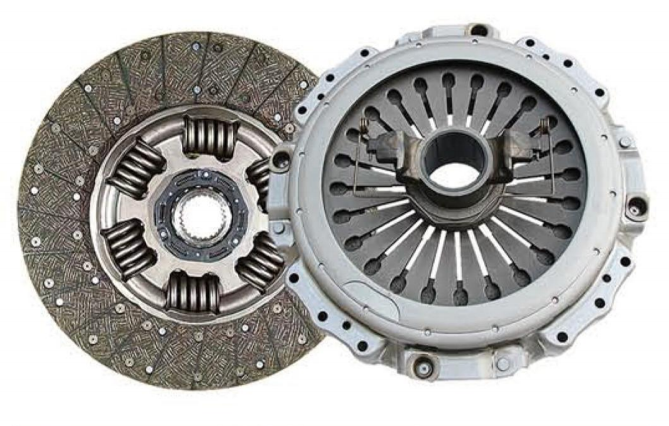
The driveline system transfers power from the engine to the wheels. It includes clutch cylinders, clutch kits, clutch forks, shift forks, and gearbox components. These Truck Parts handle constant mechanical stress, especially in heavy-duty transport.
In real driving conditions, these parts are used continuously. Frequent gear shifting, heavy loads, and stop-and-go traffic all increase wear. That is why they are among the most replaced parts in commercial trucks.
To understand their importance, consider how they work together:
The clutch system controls power engagement. It allows smooth starts and stops.
The gearbox and shift forks manage gear changes. They ensure efficient power transfer.
The driveline components deliver torque to the wheels. They support movement under load.
From a maintenance view, these parts require attention because wear is unavoidable. Friction, heat, and load pressure all reduce their lifespan over time. Replacing worn driveline truck parts helps maintain smooth driving and prevents sudden breakdowns.
Chassis, brake, and suspension systems are critical for control and stability. These Truck Parts directly influence how the truck handles on the road. They support weight, absorb shocks, and ensure safe braking under load.
In heavy-duty trucks like the Tianlong, these systems operate under constant stress. Road conditions, cargo weight, and driving patterns all affect their performance. That is why regular inspection and replacement are essential.
System Component | Key Role | Effect on Driving Performance |
|---|---|---|
Brake system | Stopping force | Ensures safety and control |
Chassis structure | Load support | Maintains stability under heavy weight |
Suspension | Shock absorption | Improves comfort and reduces wear |
Wheel hubs | Rotation support | Keeps wheels stable during movement |
In real operation, some Truck Parts wear faster than others. It depends on load, driving habits, and road conditions. For a Dongfeng Tianlong, high-frequency replacement usually involves parts exposed to friction, heat, or impact. These components work constantly, so they naturally degrade over time.
We often see the following truck spare parts replaced more frequently:
Rearview mirrors and lights: They face external damage, weather exposure, and vibration. Over time, visibility drops or functions fail.
Brake components: Pads, cylinders, and related parts wear under heavy braking loads. They are critical for safety and need regular checks.
Clutch parts: Clutch kits and cylinders handle constant engagement. Stop-and-go driving accelerates wear significantly.
Filters and cooling parts: Oil filters, air filters, radiators, and thermostats operate continuously. They protect the engine but require periodic replacement.
Drivers and maintenance teams often rely on early warning signs. These signals help identify when Truck Parts are reaching their limit. Ignoring them can lead to bigger issues, higher costs, and longer downtime.
Some of the most common signs include:
Reduced visibility: Mirrors or lights no longer perform well. This affects safety during night driving or bad weather.
Overheating issues: Engine temperature rises unexpectedly. This often points to cooling system problems.
Fluid leaks: Oil or coolant leaks indicate worn seals, pumps, or damaged components.
Hard shifting or slipping: The clutch or gearbox may be worn. This affects power transfer and driving comfort.
Weak braking response: Longer stopping distance signals brake system wear. This is a serious safety concern.
Unusual vibration or noise: These often come from worn chassis, suspension, or driveline parts.
For fleets, having the right Truck Parts in stock is a smart strategy. It reduces waiting time and keeps trucks operational. Instead of reacting to failures, fleets prepare in advance.
A good spare parts list usually includes fast-moving and high-risk items. These are the parts most likely to fail or get damaged during daily use:
Maintenance parts: Filters, brake components, clutch parts. These need regular replacement based on usage cycles.
Cooling system parts: Radiators, thermostats, hoses. These protect the engine and must be available when needed.
Electrical and lighting parts: Lamps, switches, and small electrical components. They are easy to replace but critical for safety.
Exterior parts: Mirrors and panels. They are often damaged during operation or minor accidents.
Fleet managers usually build a structured spare parts plan. It helps them manage inventory and respond quickly to issues. Here is a simple example:
Stock Category | Typical Truck Parts Included | Purpose |
|---|---|---|
Routine service | Filters, brake parts, clutch kits | Scheduled maintenance |
Emergency repair | Pumps, hoses, cooling components | Quick response to breakdowns |
Safety components | Lights, mirrors | Maintain compliance and visibility |
Wear-prone parts | Suspension parts, hubs | Reduce unexpected downtime |
When fleets maintain a proper inventory, they avoid delays caused by sourcing parts. It also improves maintenance efficiency. Trucks spend more time on the road, and less time waiting for repairs.
Choosing the right Truck Parts starts from accurate matching. It sounds simple, but many buyers face problems because they skip key checks. For a Dongfeng Tianlong, different models and configurations may use slightly different parts. Even small differences can cause installation issues or performance problems.
When we match truck spare parts, we usually focus on several critical points:
Part function: Understand what the part does in the system. It helps avoid selecting similar-looking but incompatible parts.
System location: Identify where the part is installed, such as engine, cab, chassis, or transmission. This ensures correct application.
Model compatibility: Check the exact truck model or series. Small variations in design can affect fitment.
Installation interface: Pay attention to size, connection type, and mounting position. These details determine whether the part fits correctly.
Once the correct part is identified, quality becomes the next priority. Not all Truck Parts perform the same, even if they look similar. For heavy-duty trucks like the Tianlong, parts must handle stress, heat, and long operating hours. That is why buyers pay attention to material and durability.
When evaluating quality, we usually consider several key factors:
Material strength: Strong materials resist deformation and wear. They support long-term heavy use.
Durability: Parts must handle repeated cycles without failure. This is important for high-frequency operations.
Corrosion resistance: Exposure to water, dust, and chemicals can damage parts. Protective materials extend lifespan.
Fit accuracy: Precision manufacturing ensures stable installation and smooth system operation.
Service life: Longer lifespan reduces replacement frequency and maintenance cost.
In daily operation, poor-quality parts often lead to repeated failures. They may cause vibration, leakage, or inefficient performance. Over time, this increases repair costs and downtime.
This guide explains Dongfeng Tianlong usage, systems, and key truck parts categories. It shows how parts affect safety, performance, and maintenance planning. Yibo provides durable truck parts, wide product range, and stable supply, helping fleets reduce downtime and improve operational efficiency.
A: Common Truck Parts include mirrors, brakes, filters, and cooling components.
A: Truck Parts wear faster due to heavy loads and long operation hours.
A: Check model, system location, and compatibility for correct Truck Parts.
A: Material quality, usage conditions, and maintenance impact Truck Parts life.
A: Keep filters, brake parts, and lights as essential Truck Parts.


